
Remote Alaska Air Transportation
There is a kind of Alaska that does not appear on any road map. It sits above the Arctic Circle, past the end of the Dalton Highway, and along rivers that empty into the Bering Sea. Reaching it takes an aircraft, a pilot who knows the route, and a plan built around weather instead of a timetable. That is what remote air transportation means in this state.
Golden Eagle Outfitters moves people and freight into these regions. We operate out of Kotzebue on the Chukchi Sea coast and Delta Junction in the Interior. Between them, our aircraft reach destinations with no road, no rail, and no scheduled service of any kind.
A State Where the Map Runs Out
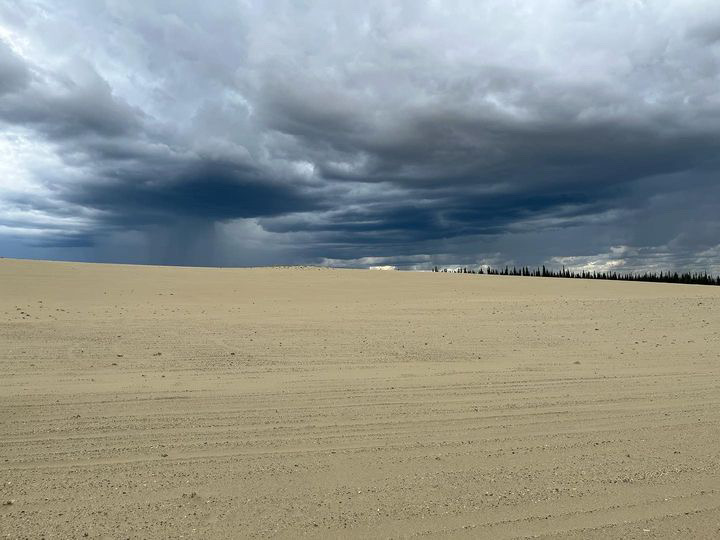
The Alaska road system connects a handful of cities and a few dozen smaller towns. Everything else is off the grid. The Brooks Range, the North Slope, the Yukon-Kuskokwim Delta, and most of the western coast depend on aircraft for basic transportation. Villages like Kiana, Ambler, Shungnak, and Kobuk receive mail, groceries, and medical supplies by air. So do hunting camps, mining operations, and research stations.
For travelers, the same network opens access to places that would otherwise be closed. A gravel bar that receives a village supply drop can also serve as a put-in for a river expedition. A tundra strip that gets mail once a week can also receive a film crew for a two-week shoot. The infrastructure is the same. The purpose changes with the passenger.
Who Depends on This Service
The list of clients who rely on remote air transport is broader than most people realize:
-
Expedition groups — Backpackers, climbers, and paddlers staging trips into roadless terrain.
-
Hunting parties — Accessing remote game units without a multi-day overland approach.
-
Anglers — Reaching rivers and lakes that see almost no fishing pressure. See Fly-In Fishing Alaska for specifics.
-
Lodge and camp operators — Moving staff, supplies, and guests through a season.
-
Film and photography crews — Transporting equipment and personnel to hard-to-reach locations. Our Alaska flightseeing tours are often paired with these missions.
-
Researchers and scientists — Accessing field sites for wildlife, climate, and geological work.
-
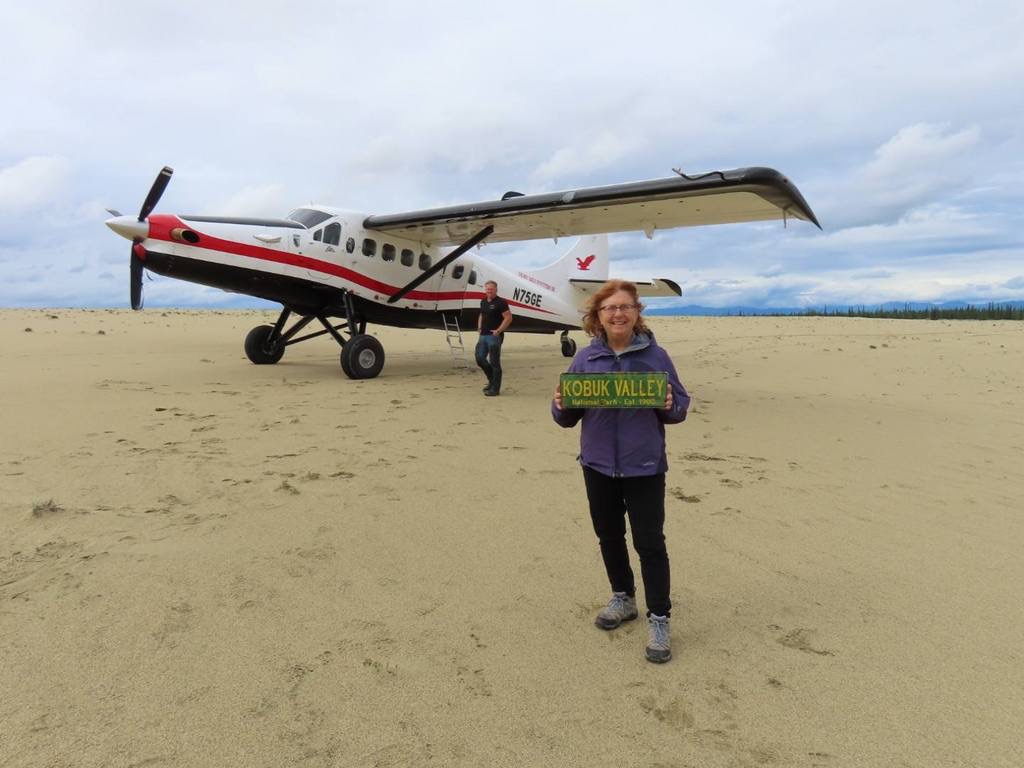
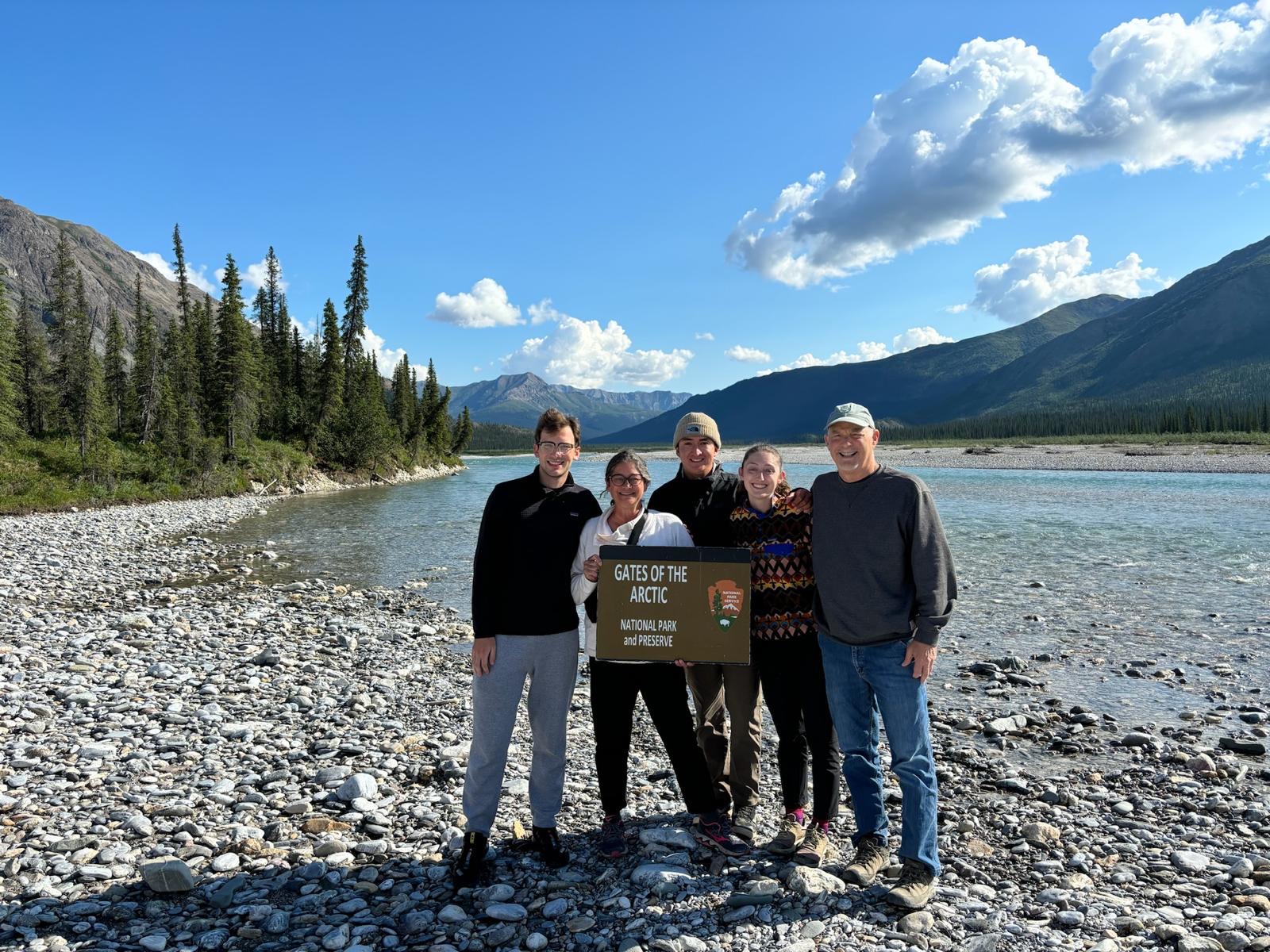
National park visitors — Reaching Gates of the Arctic and Kobuk Valley, both entirely roadless.
-
Families and residents — Traveling between communities with no road connection.
Each group has different priorities. Expeditions want gear weight maximized. Lodges need reliable scheduling. Researchers need specific landing coordinates. Our job is to match the aircraft and route to the mission.
How a Multi-Leg Trip Comes Together
Remote transport rarely happens in a single flight from point A to point B. It is usually a sequence of legs, each with its own conditions and constraints.
A typical expedition might look like this. Gear is consolidated at a hub, weighed, and packed for aircraft loading. It flies to a staging strip near the trip start. Passengers follow on a second flight if weight requires it. At the staging strip, gear is sorted again for the final leg into the backcountry. That last leg may be short — twenty minutes — but it often involves the most technical landing of the trip.
Coordinating this takes planning. We work backward from your trip date, factoring in weather windows, aircraft availability, and any connecting transport. Most clients send their itinerary well in advance so we can build a schedule that leaves room for the unexpected.
If your trip includes a drop-off and a later pickup at a different location, our Alaska wilderness drop-offs page explains how point-to-point logistics work. For trips that involve a river, our Alaska rafting drop-off service covers how rafts and paddling gear are transported.
Freight, Cargo, and What Actually Fits
Freight on a small aircraft is nothing like freight on a truck. Every pound matters, and every item must be secured for takeoff, landing, and turbulence. We handle a range of cargo types, including:
-
Expedition gear — Packs, tents, stoves, food, and technical equipment.
-
Rafts and kayaks — Deflated and packed for transport.
-
Building supplies — For remote cabins, hunting camps, and research stations.
-
Generators and fuel — Subject to hazardous materials rules and aircraft limits.
-
Scientific equipment — Including sensitive instruments requiring careful handling.
-
Personal effects — For residents and seasonal workers.
If you are shipping hazardous materials, firearms, or oversized equipment, tell us at the inquiry stage. Some items require special handling or cannot be flown on certain aircraft.
Weather Windows and Why Schedules Move
Weather drives everything in remote Alaska aviation. A flight that is safe on Tuesday may be grounded on Wednesday. Wind, ceilings, visibility, icing, and surface conditions all factor into the decision.
For planning purposes, that means buffer time is not optional. If you have a hard deadline at the end of your trip — a commercial flight, a ship departure, a work commitment — tell us. We plan the schedule with that constraint in mind and advise you on how much slack to build in.
For clients moving freight on a schedule — lodges, camps, construction — we plan deliveries in weather windows rather than on fixed days. That approach keeps operations running even when specific flights shift.
For a deeper look at how weather affects Alaska flying, see our Alaska bush flights page.
Ground Coordination at Each End
Remote transportation is not only about the flight. It is also about what happens at each end.
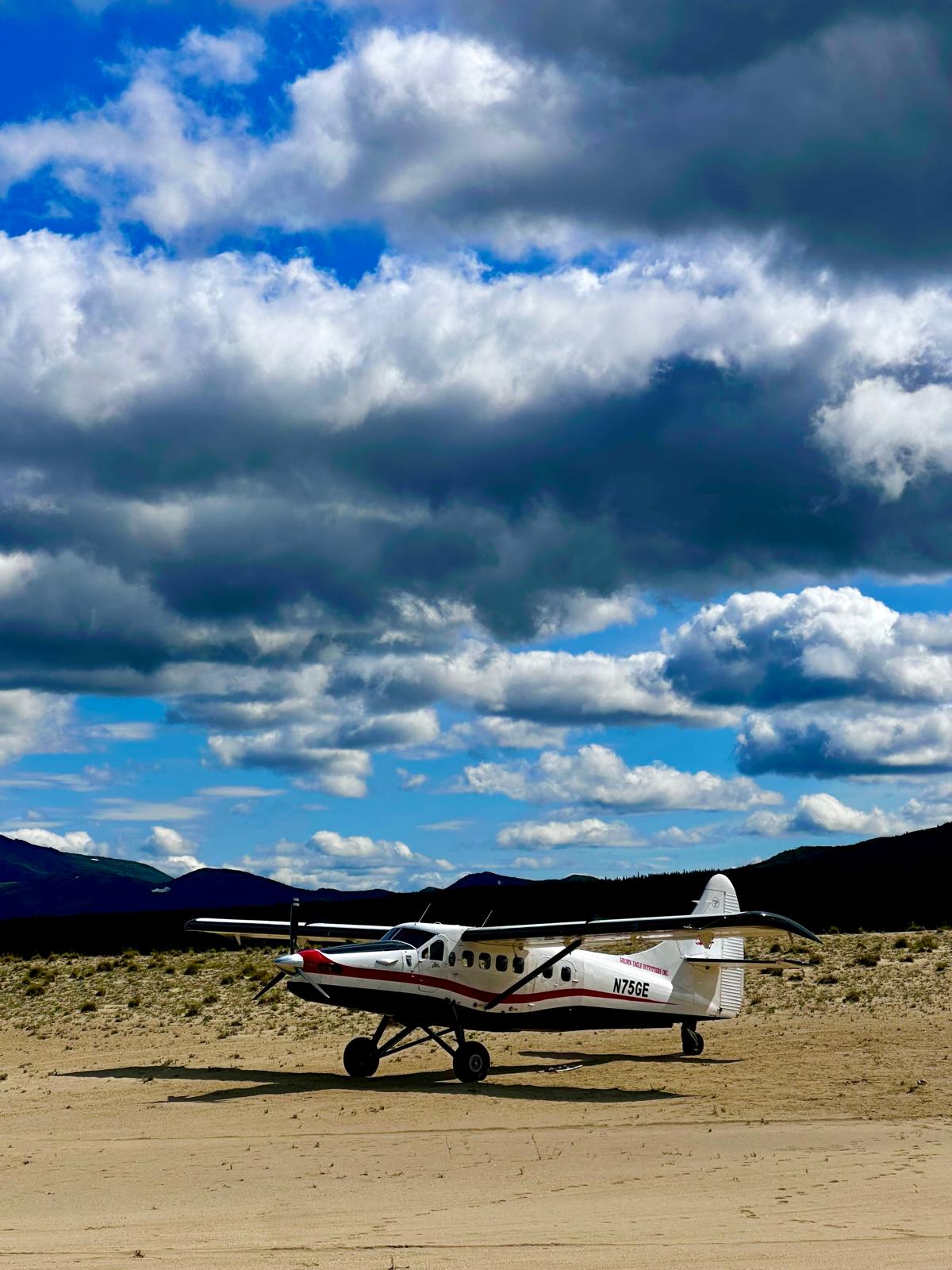
At our hubs, we coordinate gear staging, weigh-ins, and loading. At destination strips, we handle unloading and can arrange short-term storage if needed. For clients with multi-leg itineraries that involve other carriers, we coordinate handoffs so gear and passengers keep moving.
If your trip involves ground time beyond the flight — hiking, camping, rafting — our Alaska hiking drop-off service and Alaska camping drop-off service pages cover what to plan for. Anglers who want to combine freight transport with fishing should review our Alaska World-Class Fishing page.
Matching Aircraft to Mission
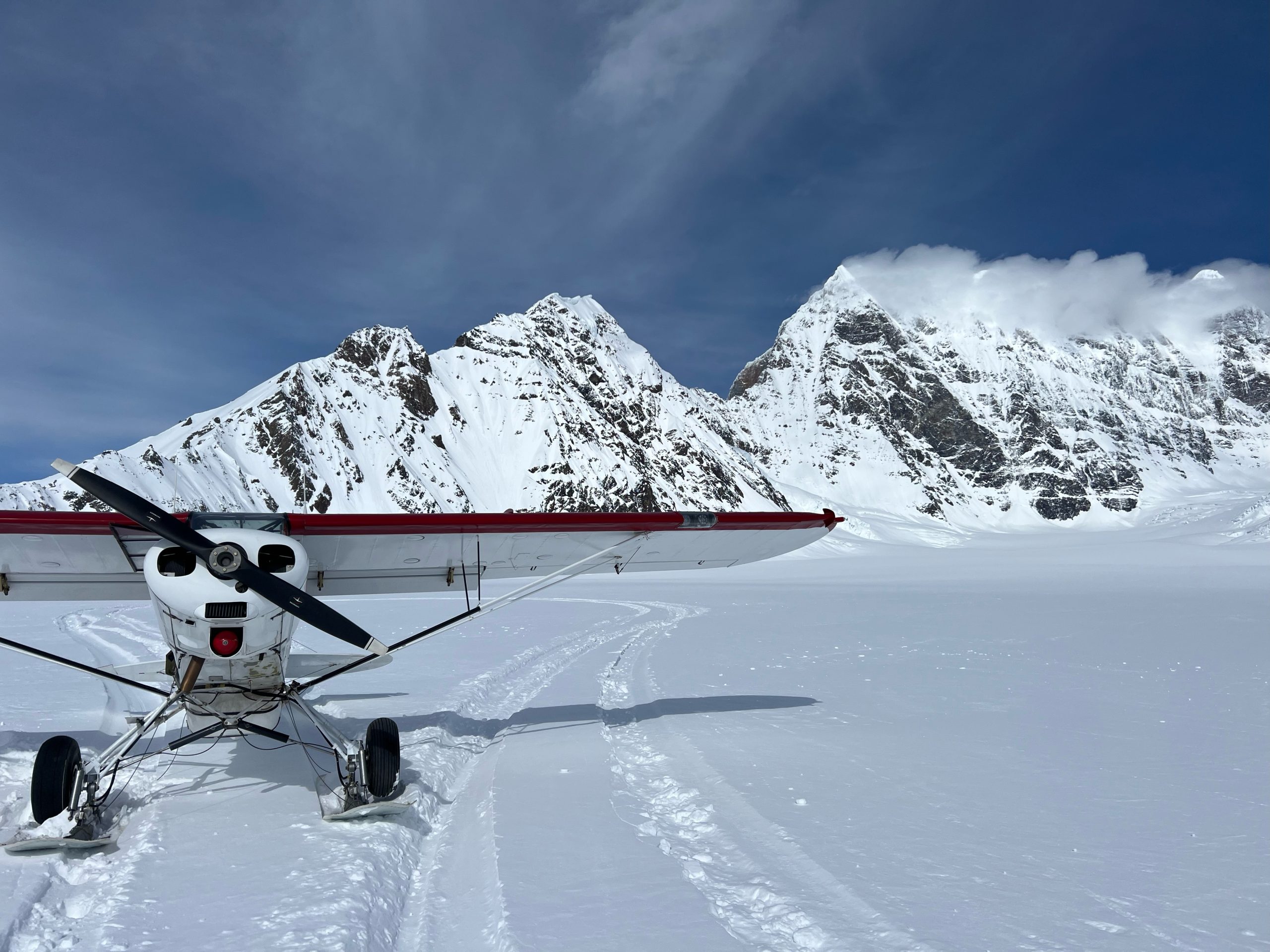
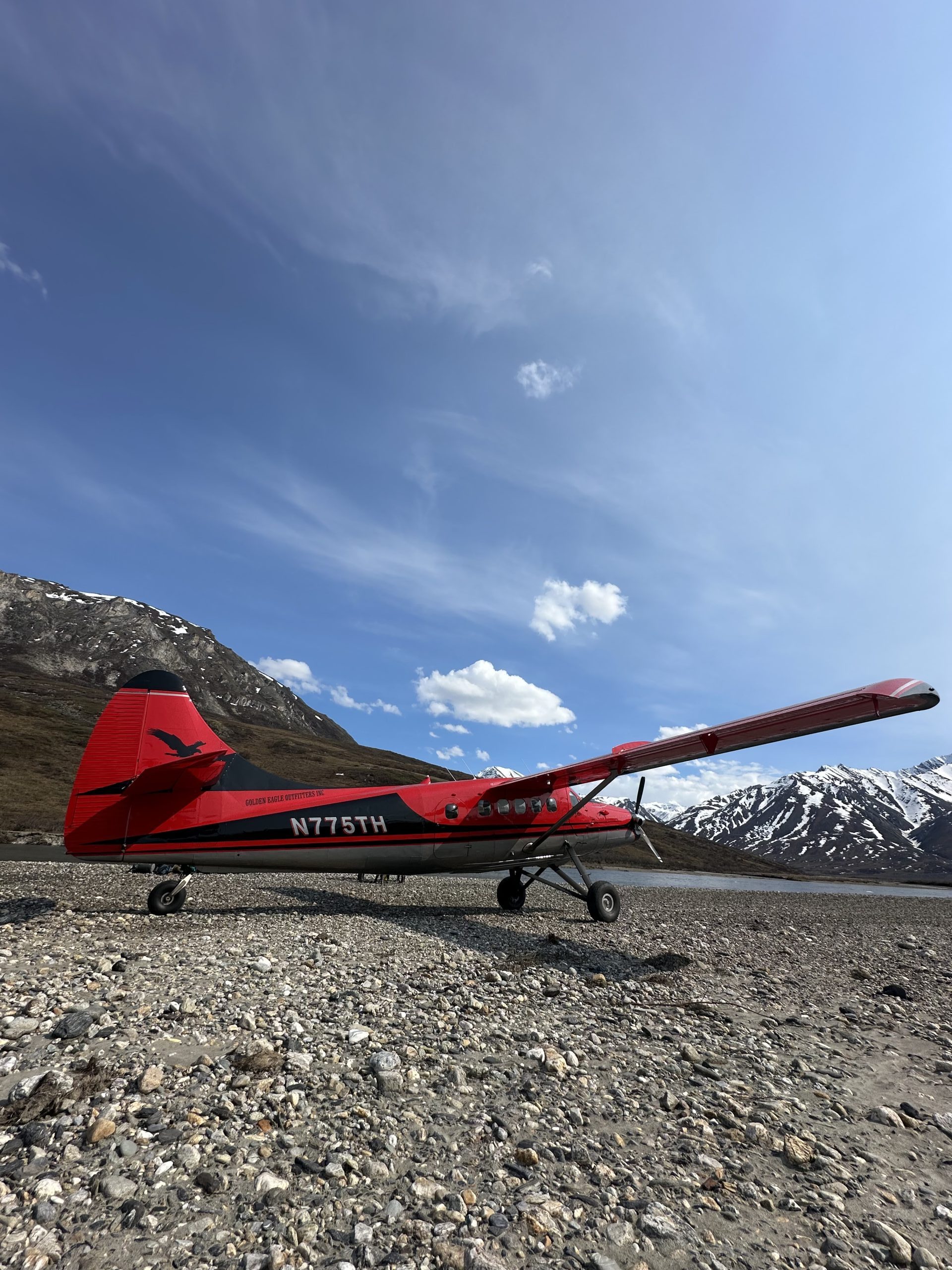
Not every aircraft suits every job. We match airframes to the specific mission. A smaller plane like the Cessna 206 is ideal for short strips and light loads. A larger airframe like the DeHavilland Otter takes heavier loads over longer distances. Other aircraft in the Alaska fleet — Beavers, Super Cubs, Cessna 185s — each bring their own advantages depending on terrain and payload.
For clients with specific requirements — landing on a short strip, hauling oversized cargo, flying onto a glacier — tell us at the inquiry stage. We will confirm whether the mission is feasible with our fleet or recommend an alternative. For custom itineraries that go beyond standard routes, our Alaska private air charter page explains how that works.
Why Choose Golden Eagle Outfitters for Remote Transport
Golden Eagle Outfitters is a family-owned operation, and our pilots have flown these routes for most of their careers. They know the strips, the weather patterns, and the seasonal quirks of each region. That knowledge is what keeps freight moving and passengers safe in a place where the margin for error is thin.
For clients based in the Interior, our Fairbanks flightseeing tours and Denali flightseeing tours offer shorter regional flights. For glacier access, our Alaska glacier tours provide landing and exploration. And for anyone who wants to see the wildlife that shares this landscape, our Alaska wildlife viewing tours are built around aerial observation.
Frequently Asked Questions
Do you offer scheduled service to villages?
Our focus is charter and on-demand transport rather than fixed routes. For village service, we can arrange flights tailored to your needs. For specific trips from the northwest hub, see our Kotzebue air taxi page.
Can you handle freight-only flights?
Yes, in many cases. Contact us with the cargo description and destination for a quote.
How far in advance should I book?
For peak season (June through September) and multi-leg itineraries, book as early as possible. For large freight movements, allow several weeks of lead time.
What happens if weather delays my flight?
We reschedule for the next safe window. Buffer days are strongly recommended.
Can you coordinate with other carriers?
Yes, for multi-leg trips involving more than one operator. Tell us the full itinerary when you inquire.
Do you fly to national parks?
Yes. We provide access to Gates of the Arctic and Kobuk Valley, among other destinations.
Can I ship personal gear ahead of my arrival?
Yes, with advance planning. Contact us to discuss staging.
Do you offer winter flights?
Yes, with ski-equipped aircraft in some regions. Winter access for backcountry skiers is covered on our Alaska backcountry skiing and snowboarding page.
Can remote transport be combined with a guided trip?
Yes. Our remote wilderness float trips combine air access with guided river travel.