
Alaska River Drop-Off Service
A river trip lives or dies on two decisions. Where you start. Where you finish. Get those wrong, and you either miss the best water or end up miles from where anyone can reach you. In Alaska, those two points are often separated by hundreds of miles of wilderness with no road in between. That is what this service is for.
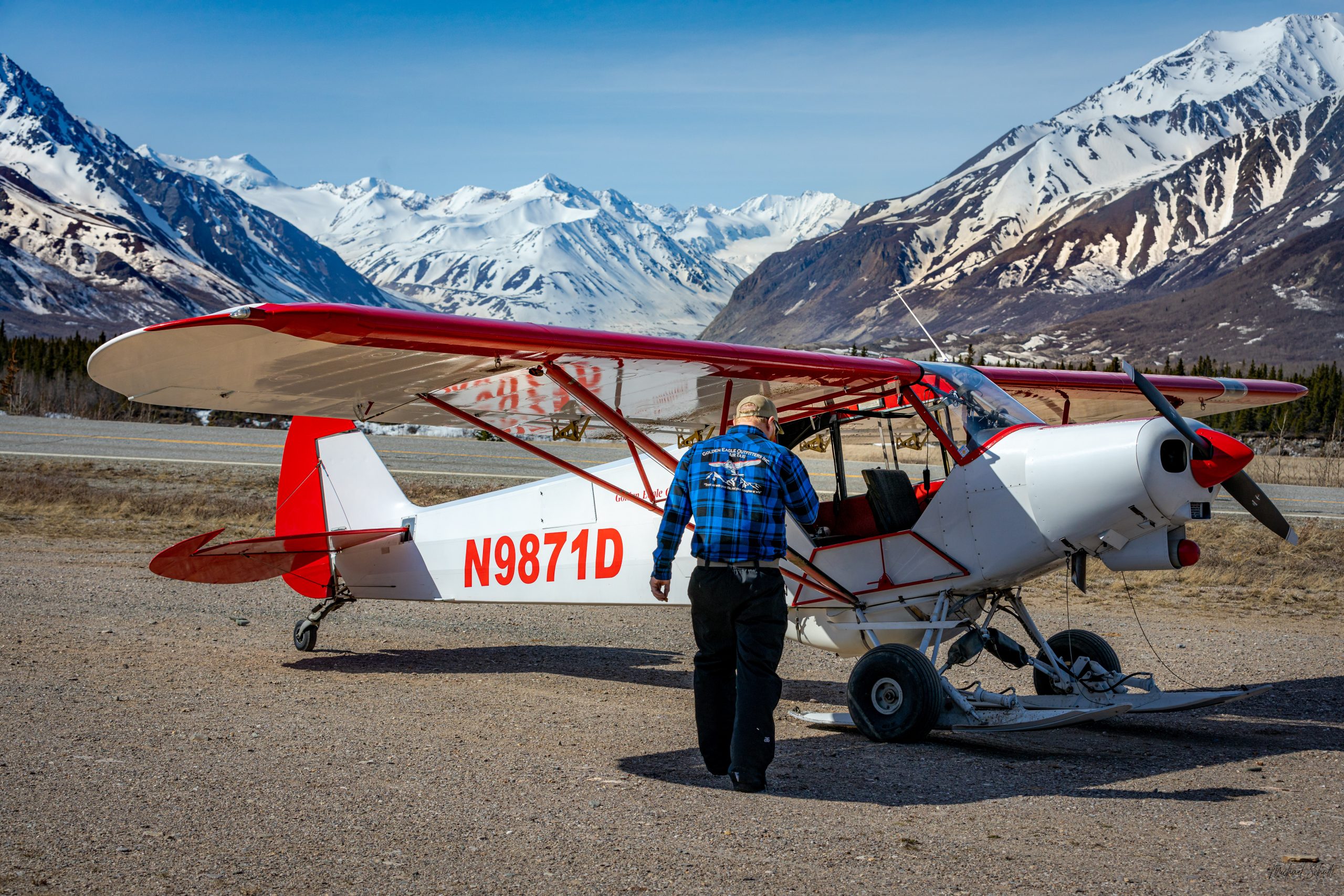
Golden Eagle Outfitters flies paddlers and gear to remote river put-ins across Alaska, then retrieves them downstream when the float is done. We have been flying these drainages for decades. Our pilots know how channels move after a storm, which gravel bars stay firm under a loaded plane, and which rivers stop being floatable once August arrives.
Three Pieces That Have to Line Up
Every river trip rests on the same three legs. Miss one and the plan needs rework.
The Put-In
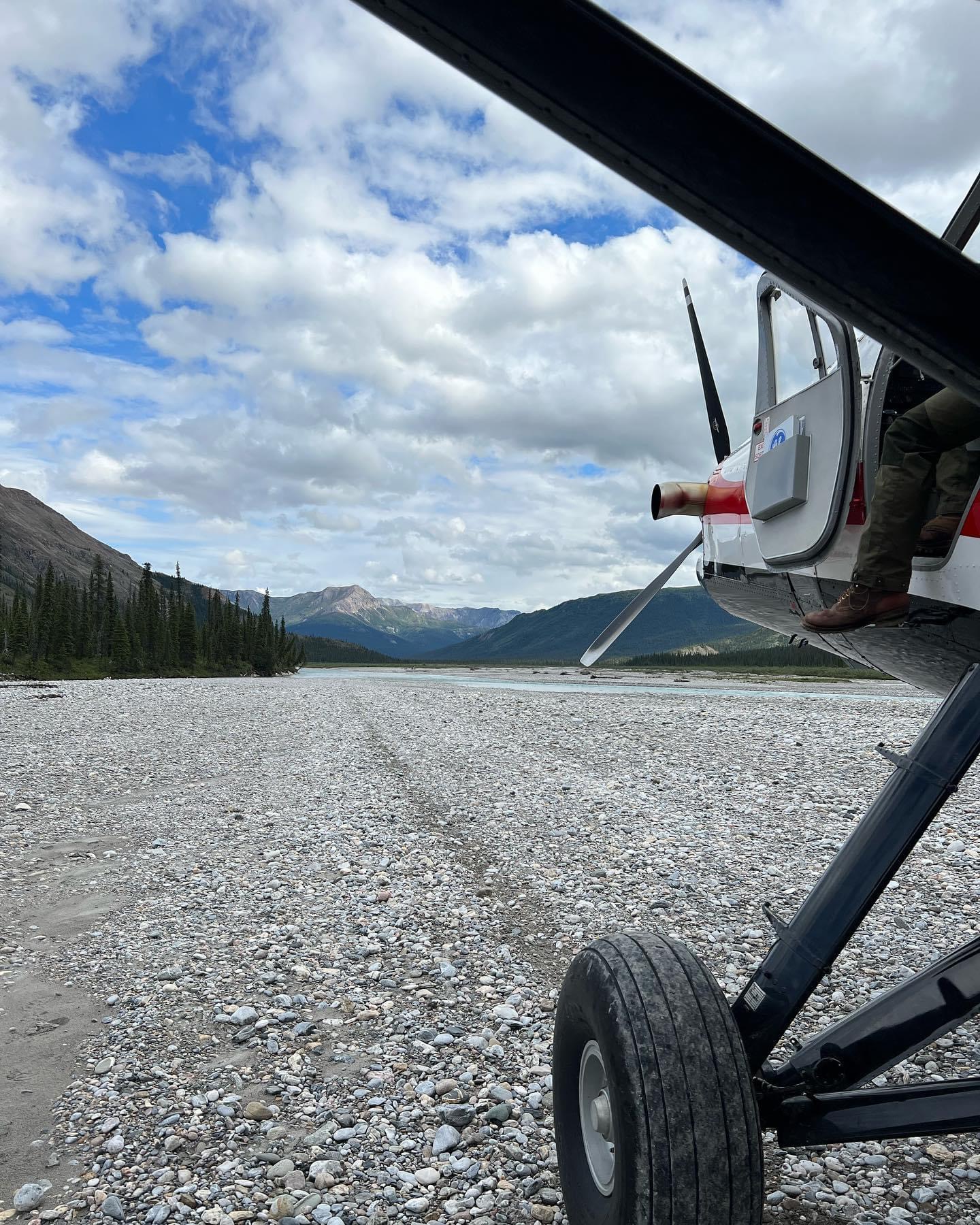
The starting point. It has to be reachable by aircraft, close enough to water for an easy carry, and firm enough to land on with a loaded plane. Cut banks, brush-choked shorelines, and soft sand all rule out a landing. What looks like a perfect gravel bar from the air may not hold under tires after a week of rain.
The Water Between
What happens between put-in and take-out determines whether the trip runs. Water levels shift with snowmelt, storms, and season. Some rivers that float easily in June run too shallow for a loaded raft by August. Others flood over their banks after a single weather system. The float window narrows every year in ways that are specific to each drainage.
The Take-Out
The pickup point. It has to be reachable from the water, landable by aircraft, and agreed upon in advance. Take-outs are often on gravel bars at river confluences or on established backcountry strips. If the river leaves you somewhere else — because of high water, low water, or a log jam — the pickup has to move with you.
When those three pieces align, the trip works. When they do not, we adjust the plan before you fly. For groups bringing rafts and larger gear loads, our Alaska rafting drop-off service page covers transport considerations. For anglers combining float trips with fishing, see Fly-In Fishing Alaska and Alaska World-Class Fishing.
Northwest Alaska: Wide, Braided, and Quiet
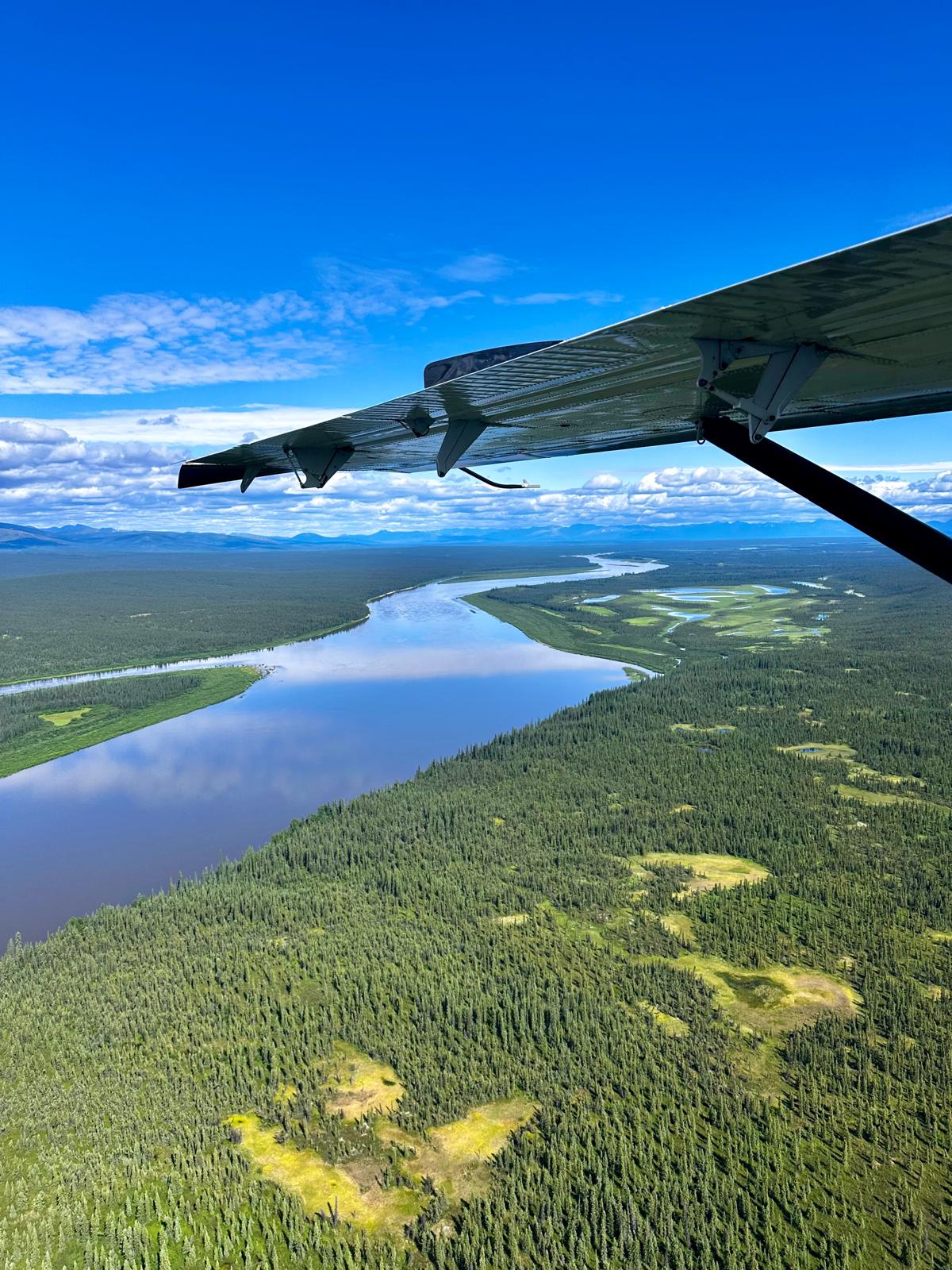
Our Kotzebue operation opens up some of the least-visited river systems in North America. These are rivers that drain the western Brooks Range and empty toward the Chukchi and Bering seas. Most are wide, braided, and slow-moving with long gravel bars that work well for aircraft landings.
The character of these rivers is defined by the terrain they cross. Tundra, wetland, and low ridges. Few trees. No development. From the air, the water reads as a pale, milky ribbon because of the glacial silt suspended in it.
Several of these drainages run through or adjacent to Gates of the Arctic and Kobuk Valley. Reaching them is easiest from our Kotzebue air taxi base, which keeps the flight legs reasonable.
Interior Alaska: More Varied, More Technical
From Delta Junction, the options change. Interior rivers range from clear, small streams in the Alaska Range foothills to larger glacial-fed systems. Difficulty varies widely. Some sections are calm enough for a first-time floater. Others have Class III rapids that require whitewater experience.
Choosing the right Interior river means understanding what you want from the trip. Clear water and small channels are easier to read. Larger rivers cover more miles per day but offer fewer quiet campsites. Seasonal timing matters more here than in the northwest because the drainage areas are smaller and respond faster to rain events.
Rivers flowing through park boundaries may require permits or registration. Our Alaska National Park Tours page covers permit considerations for the largest protected areas.
How the Season Changes the River
Water levels determine whether a river runs. They shift through the year in predictable patterns, with room for surprises.
June and early July. Snowmelt swells rivers across the state. High water, fast current, cold temperatures. Best for experienced paddlers. Some rivers that dry out later in the summer are floatable now.
Mid-July through August. The main float season. Water stabilizes, weather warms, and access is typically reliable. This is when most of our clients book.
September through early October. Lower water, clearer channels, and dramatic fall color. Some rivers become too shallow for loaded rafts, but smaller craft still work well. Cold nights return.
Rain events. Summer storms can spike a river’s level in a matter of hours. If your trip is scheduled during a wet period, prepare for the possibility that the put-in or take-out may need to shift. We monitor conditions and will advise if adjustments are needed.
For a broader look at how weather shapes our operations, see our Alaska bush flights page. Paddlers who want to combine a river float with hiking or camping along the way should review our Alaska hiking drop-off service and Alaska camping drop-off service pages.
Gear That Actually Fits
Every pound on a small aircraft matters. River trips carry more gear than most people expect. Here is what to plan for:
-
Boat — Deflated and packed. Rafts, packrafts, and kayaks all transport, subject to weight limits.
-
Paddles and safety gear — Helmets, PFDs, throw bag, spare paddle.
-
Repair kit — Patch material, glue, and hand tools for the boat.
-
Camping gear — Tent, sleeping system, stove, and cookware.
-
Food and water treatment — Enough for the full float, plus emergency rations.
-
Rain gear and river footwear — You will get wet. Plan on it.
-
Navigation — Map, compass, GPS.
-
Communication — Satellite messenger or satellite phone.
-
First aid and bear protection — Including proper food storage.
Anglers who want to fish along the way should also review our Alaska World-Class Fishing page. Travelers interested in combining a float with wildlife observation can see our Alaska wildlife viewing tours page. For those who prefer a guided float rather than self-supported paddling, our remote wilderness float trips page outlines options.
Can I combine a river float with other activities?
Yes. Many trips include fishing, hiking, or wildlife observation. See our Alaska hiking drop-off service, Alaska camping drop-off service, and Alaska wildlife viewing tours pages for related services.
Are there permit requirements on any rivers?
Some rivers within national parks require permits or registration. See our Alaska National Park Tours page for park-specific details.
Where do you fly from?
We operate river drop-offs from Kotzebue in the northwest and Delta Junction in the Interior. For travelers departing from the Fairbanks area, see our Fairbanks flightseeing tours and Denali flightseeing tours pages.
Why Book River Drop-Offs With Golden Eagle Outfitters
Golden Eagle Outfitters has flown Alaska rivers for decades. Our pilots know how channels shift after a rain event, which gravel bars stay firm after a wet week, and how a river looks from the air when it is running too high to land on. That local knowledge is what keeps a float trip on schedule.
For travelers who want to combine a river float with a longer Alaska itinerary, our Alaska National Park Tours and remote wilderness float trips pages cover extended options. For custom multi-leg expeditions, see our Alaska bush plane charters page. For access planning on the ground before or after the float, our Alaska wilderness drop-offs and Alaska backcountry air taxi services cover point-to-point transport.
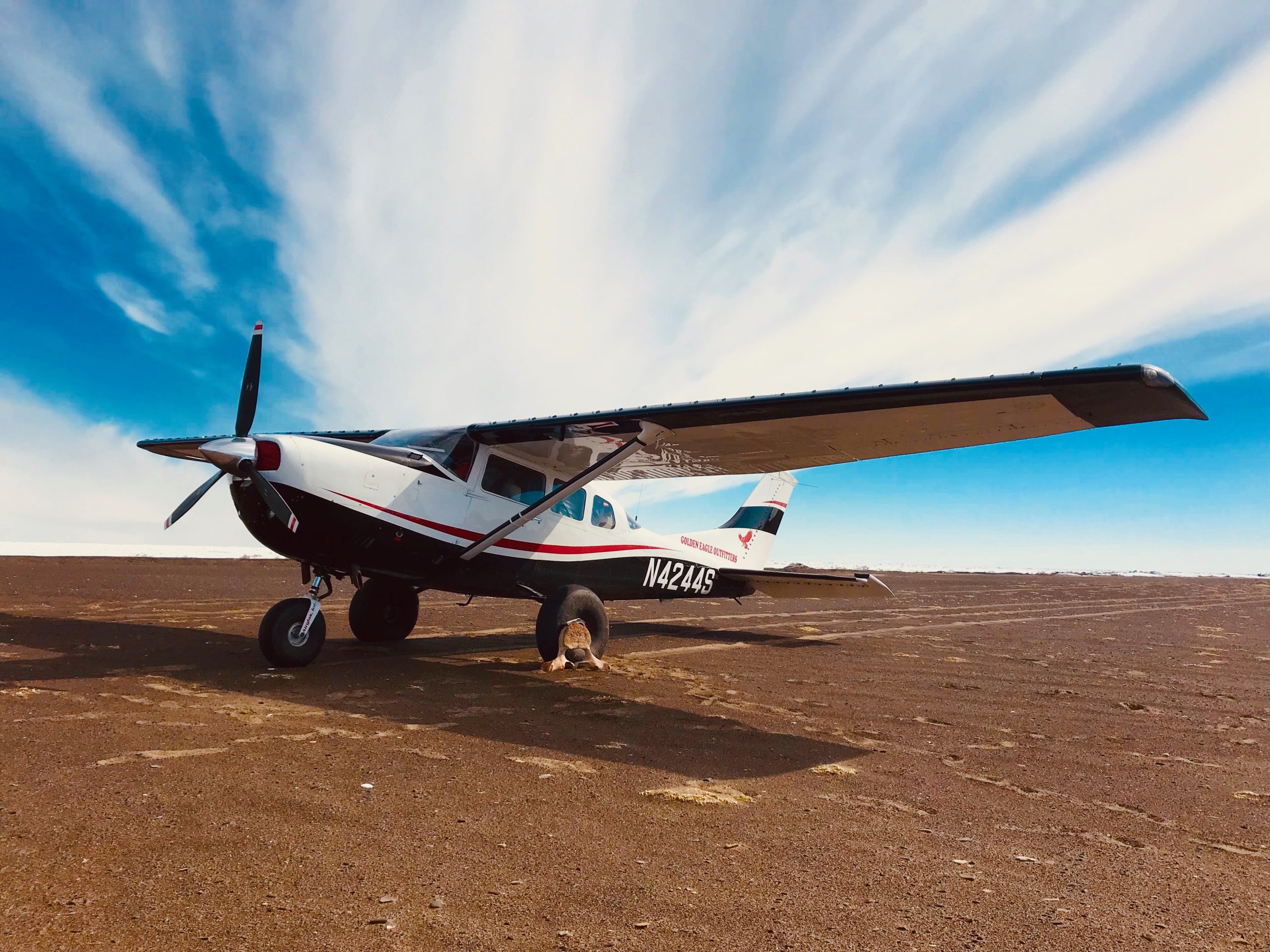
When Pickups Shift
Pickups are scheduled in advance. Weather does not always respect the schedule. A storm can slow a float by a day. Low water can force an early take-out. Fog can ground the pickup aircraft for hours.
We build flexibility into every river plan. Multi-day floats get a window at the pickup end rather than a hard date. If you carry a satellite messenger, you can update us on progress and adjust the pickup if needed. If you do not, we work from the agreed date and adjust as conditions allow.
One buffer day at the end of your trip is strongly recommended. If you have a commercial flight home or another fixed commitment, tell us when you book so we can plan accordingly. For an overview of how weather affects Alaska flying in general, see our Alaska bush flights page. For custom multi-leg itineraries that connect a river float to other parts of your Alaska trip, our Alaska private air charter and Alaska bush plane charters pages explain how that works.
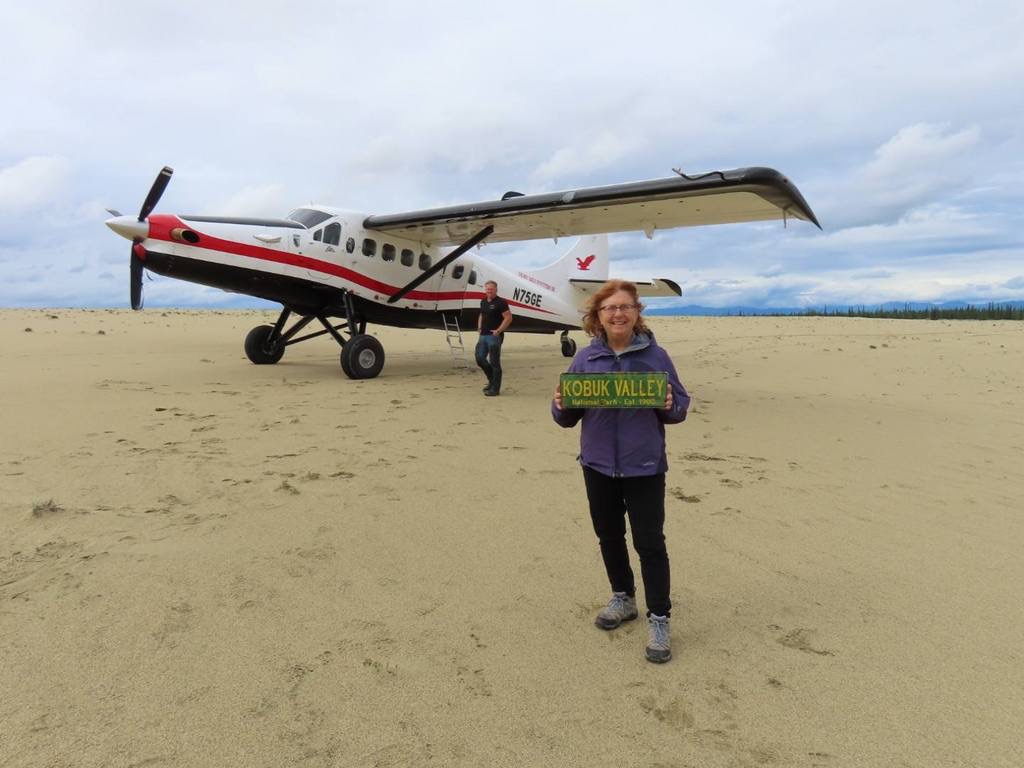
Related Services
Along with air taxi services, Golden Eagle Outfitters offers:
-
Alaska Flightseeing Tours — Scenic flights over glaciers, mountains, and wildlife
-
Alaska National Park Tours — Guided flights to five Arctic parks
-
Alaska World-Class Fishing — Fly-in fishing on remote Arctic rivers
-
Remote Wilderness Float Trips — Multi-day river expeditions with air support
Frequently Asked Questions
Can you drop me at one river and pick me up at a different location?
Yes. This is the most common format for river trips. You start at one landing site and finish at another, with the pickup scheduled in advance.
How much gear can I bring?
Weight limits vary by aircraft. Tell us your group size and estimated gear weight when you book. For larger loads, we may schedule multiple trips or assign a larger aircraft.
Can I bring my own raft or kayak?
Yes. Rafts, packrafts, and kayaks all transport, subject to weight and balance limits. Let us know packed dimensions and weight when you book.
What happens if I arrive at the take-out late?
If you have a satellite messenger, update us as soon as you can. If not, we work from the agreed schedule. Late arrivals may require a pickup on the following day, which may be billed.
What if the weather prevents my pickup?
We reschedule for the next safe window. A buffer day at the end of your trip is strongly recommended.
Do you offer guided float trips?
Our remote wilderness float trips page covers guided multi-day paddling trips with logistics included.