Alaska Cargo Drop-Off Service
Freight does not move in Alaska the way it moves in the lower forty-eight. There is no overnight truck from a distribution center. There is no rail spur to the last mile. For hundreds of communities, camps, and remote operations, the only way freight arrives is on a small aircraft that lands on a gravel strip or a beach. That is the reality this service exists to solve.
Golden Eagle Outfitters flies cargo into Alaska’s roadless regions from our hubs in Kotzebue and Delta Junction. We move expedition gear, building supplies, fuel, scientific equipment, and personal freight to destinations that have no other way in. Our pilots have been doing this for decades and know what a small aircraft can and cannot carry.
What Qualifies as Cargo on a Bush Plane
On a small aircraft, “cargo” means anything that is not a passenger in a seat. That covers a wider range than most people expect.
Expedition freight. Packs, food, tents, stoves, and technical gear headed to a remote basecamp or river put-in. This is what most travelers ship when they book a Alaska wilderness drop-off or an Alaska camping drop-off.
Building materials. Lumber, roofing, insulation, hardware, and tools for remote cabins, hunting camps, and research stations. These shipments often move on a scheduled basis rather than a one-off.
Fuel and generators. Both are regulated as hazardous materials. They require special handling and cannot fly on every aircraft. Tell us at the inquiry stage so we can advise on restrictions.
Scientific and technical equipment. Sensitive instruments, sample coolers, and field gear for research teams working in remote Alaska.
Food and supplies for lodges and camps. Regular shipments that keep remote operations running through the season.
Personal freight for residents. Household goods, mail-order packages, and seasonal supplies for people who live in roadless communities.
For travelers who simply need passenger transport with a small amount of personal gear, our Alaska bush flights and remote Alaska air transportation pages cover that side of the operation.
How Cargo Flights Are Planned
Moving freight by air is a planning exercise, not a same-day errand. Here is how the process works.
Step One: Describe the Load
Tell us what you are shipping, how much it weighs, how big it is, and where it needs to go. Include any special handling requirements — fragile items, temperature-sensitive cargo, hazardous materials, or oversized pieces. Photos help.
Step Two: Match Aircraft to Freight
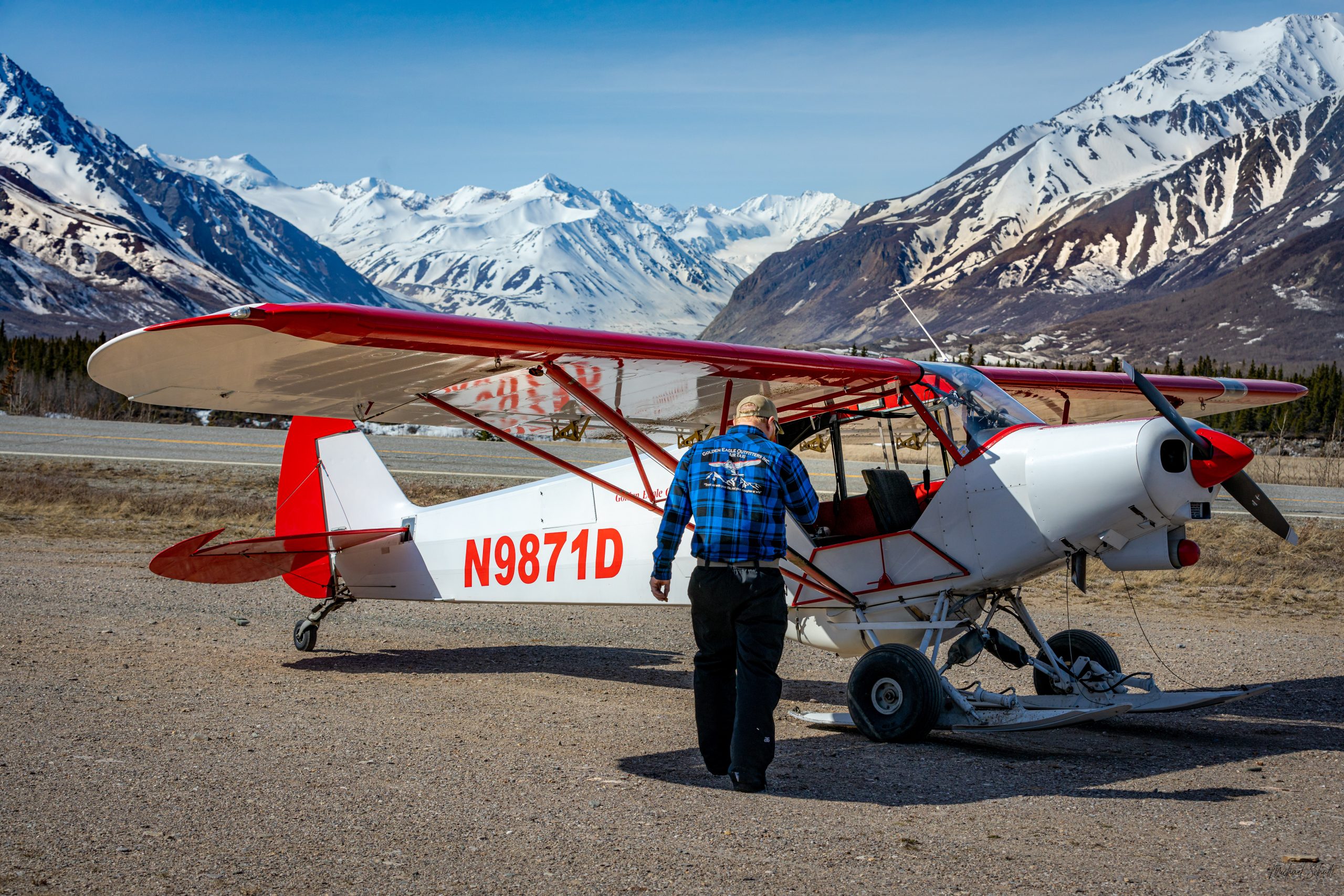
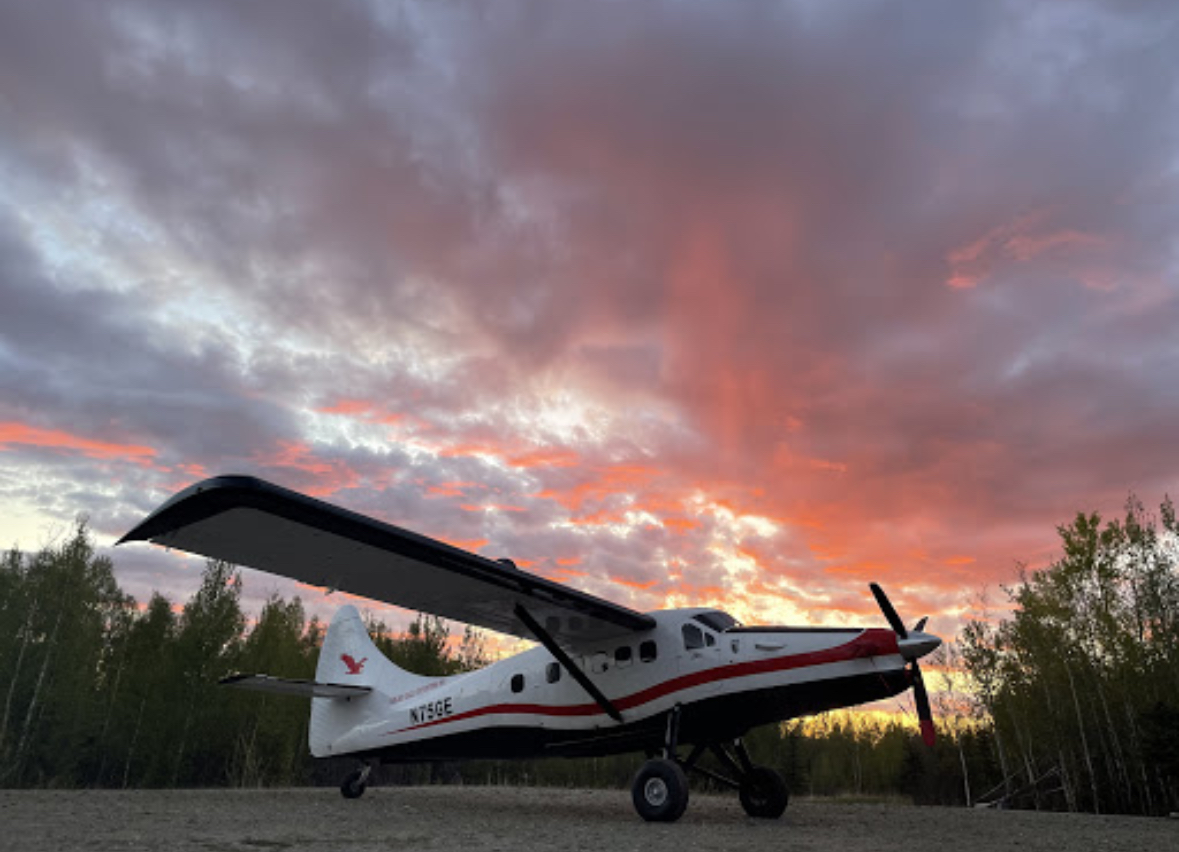
Not every aircraft suits every load. A Cessna 206 handles modest freight and short strips. A DeHavilland Otter carries heavier loads and larger items. For oversized shipments, we may need multiple trips or a different configuration.
Step Three: Confirm Landing Site
The destination has to accept a loaded aircraft. Some strips are long enough for a full load. Others require splitting the shipment across two flights. We evaluate the landing site before scheduling.
Step Four: Schedule Around Weather
Freight flights move when conditions allow. In summer, that usually means most days work. In winter, or during storm cycles, we plan windows rather than fixed dates. Clients moving recurring freight on a schedule should plan around this reality.
Step Five: Load, Fly, Unload
On the day of the flight, freight is staged at the hub, weighed, and secured for the flight. At the destination, unloading happens quickly so the aircraft can depart before conditions change.
Weights, Balance, and Density
Weight matters more in a bush plane than in a truck or a boat. So does density. A pallet of feathers and a pallet of lead can weigh the same, but only one fits in a small cabin.
A few practical rules:
-
Heavy items go low and forward. Pilots balance loads to keep the center of gravity within limits.
-
Oversized items may need to be broken down. A single long crate may not fit in any of our aircraft. Splitting the load often solves this.
-
Dense cargo costs more per cubic foot. This is not a policy — it is physics.
-
Fuel and hazmat have their own rules. Some items require documentation, and some cannot fly at all.
If you are unsure whether your cargo will fit, send us a photo and dimensions. We will tell you honestly what is possible.
Destinations We Serve
Golden Eagle Outfitters flies cargo from two hubs.
From Kotzebue on the Chukchi Sea coast, we reach the remote villages and wilderness of northwest Alaska. This includes communities in the Northwest Arctic Borough and access points near Gates of the Arctic and Kobuk Valley. For details on the northwest hub, see our Kotzebue air taxi page.
From Delta Junction, we serve the Interior and the Alaska Range. This includes remote cabins, hunting camps, and research sites in the eastern portion of the state.
For larger freight operations that involve multiple carriers or extended itineraries, our Alaska private air charter and Alaska bush plane charters pages explain how custom multi-leg freight can be arranged.
What We Cannot Carry
Some items cannot fly on our aircraft. The list is not negotiable — it comes from federal regulations and aircraft limitations.
-
Unpermitted firearms — legal firearms can be transported with proper documentation, but the rules are strict.
-
Hazardous materials without documentation — fuel, solvents, and compressed gases require specific handling.
-
Live animals without prior arrangement — some animals can fly with advance notice, others cannot.
-
Illegal substances — obviously.
-
Oversized items exceeding cabin dimensions — some cargo simply will not fit, no matter how it is packed.
If you are unsure whether something can fly, ask before you book. We would rather tell you now than turn your shipment away at the ramp.
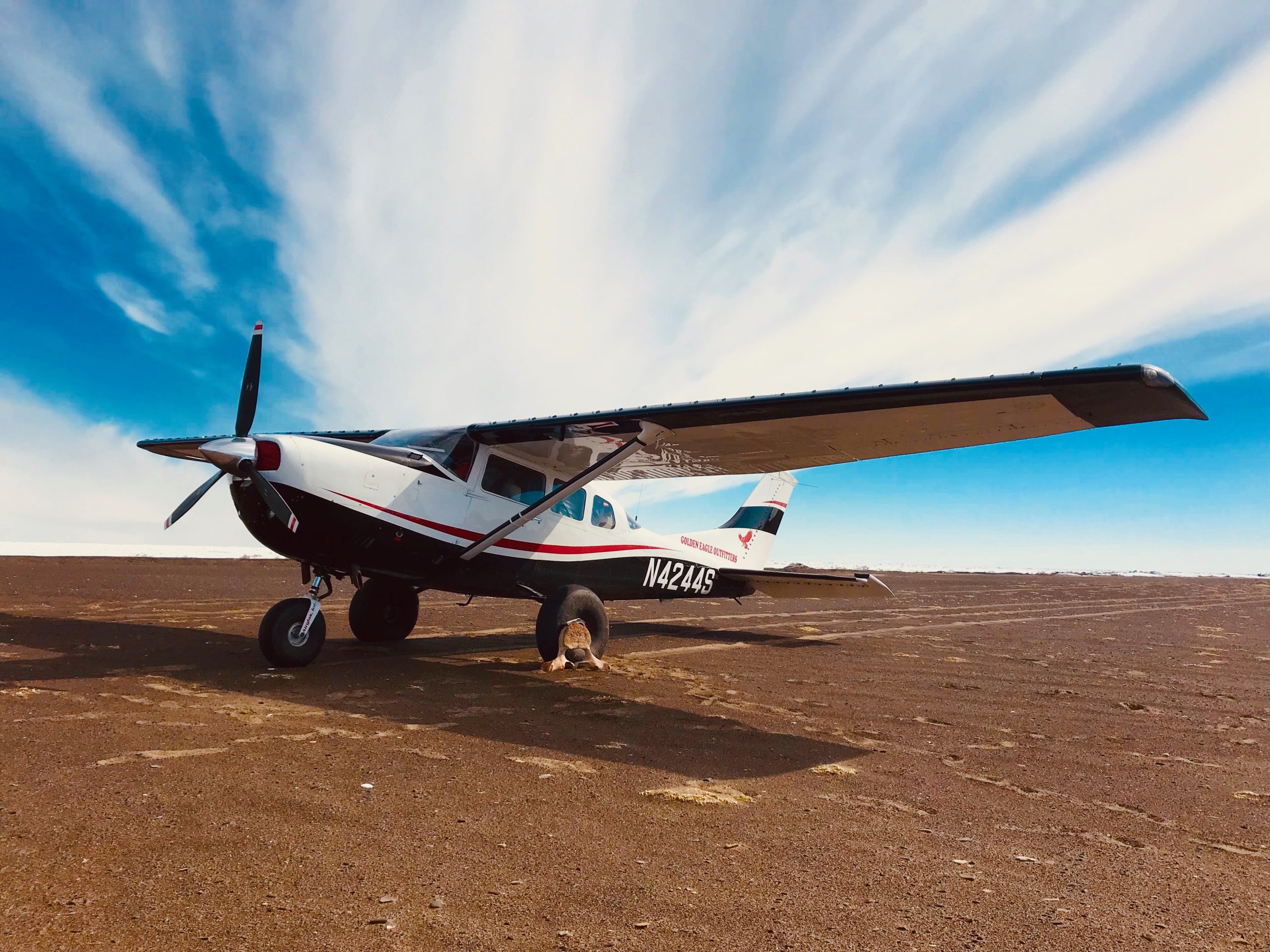
Recurring Freight for Lodges and Camps
Lodges, hunting camps, and research stations often need freight on a regular schedule. We handle recurring shipments for clients who need supplies moved throughout a season.
For these clients, we plan delivery windows rather than exact days. Weather in Alaska shifts quickly, and a “Tuesday delivery” can easily become a Wednesday or Thursday delivery. Planning in windows keeps operations running even when specific flights move.
If you operate a remote lodge or camp and need recurring freight service, contact us directly. We will work with you on scheduling and can set up standing arrangements for the season. For related services that support remote operations, see our Alaska fishing air taxi and Fly-In Fishing Alaska pages.

Why Ship Freight With Golden Eagle Outfitters
Golden Eagle Outfitters has been flying Alaska’s backcountry for decades. Our pilots know which strips stay firm after rain, which destinations accept a fully loaded Otter, and how to work around the weather patterns that move freight schedules around. That knowledge is the difference between freight arriving when you need it and freight sitting on a ramp for a week.
For travelers who want to combine freight delivery with a passenger flight, our Alaska wilderness drop-offs and Alaska rafting drop-off service pages cover those options. For custom multi-leg expeditions that require coordinated freight and passenger movements, see our Alaska bush plane charters and Alaska private air charter pages. For additional perspective on how Alaska air logistics work, see our remote Alaska air transportation page. And for travelers heading to the northwest, our Kotzebue air taxi page covers the local hub.
Related Services
Along with air taxi services, Golden Eagle Outfitters offers:
-
Alaska Flightseeing Tours — Scenic flights over glaciers, mountains, and wildlife
-
Alaska National Park Tours — Guided flights to five Arctic parks
-
Alaska World-Class Fishing — Fly-in fishing on remote Arctic rivers
-
Remote Wilderness Float Trips — Multi-day river expeditions with air support
Frequently Asked Questions
What is the maximum weight you can fly?
That depends on the aircraft, the distance, and the landing site. The Cessna 206 handles modest loads and the DeHavilland Otter handles heavier freight. Tell us your cargo details and we will match the right aircraft.
Can you fly fuel or propane?
Sometimes. Fuel and compressed gases are regulated as hazardous materials and require proper documentation. Contact us with the specifics before booking.
Do you offer scheduled freight service?
For lodges, camps, and research stations, we can set up recurring deliveries. For one-off shipments, we schedule based on availability and weather.
Can you deliver to a remote cabin?
Yes, subject to landing site suitability. Not every cabin has an airstrip that accepts a loaded aircraft. We will confirm access before scheduling.
How far in advance should I book?
For routine freight, one to two weeks is usually enough. For large or unusual shipments, allow more lead time so we can plan aircraft and route.
Do you ship freight in winter?
Yes, with ski-equipped aircraft in some regions. Winter freight can be more weather-dependent than summer freight.
Can I ship personal items to a remote community?
Yes. This is one of the core services we provide for residents and seasonal workers.
Can you coordinate with other freight carriers?
Yes. For multi-leg shipments involving other airlines or ground transport, tell us the full itinerary and we will coordinate handoffs.
Do you offer cargo insurance?
Contact us directly to discuss insurance and liability for your shipment.