Alaska Wilderness Flights
There is a stretch of Alaska that no road sign announces and no mile marker counts down to. It begins where the pavement ends and keeps going for hundreds of miles — tundra, glacier, river, and ridge, with nothing man-made in between. To see it, you need wings. To see it well, you need a pilot who has spent years reading this country from the air.
Golden Eagle Outfitters runs wilderness flights from Kotzebue in the northwest and Delta Junction in the Interior. These are not short hops over a landmark. They are journeys into country that stays wild because almost nobody can reach it.
What You Are Actually Looking At
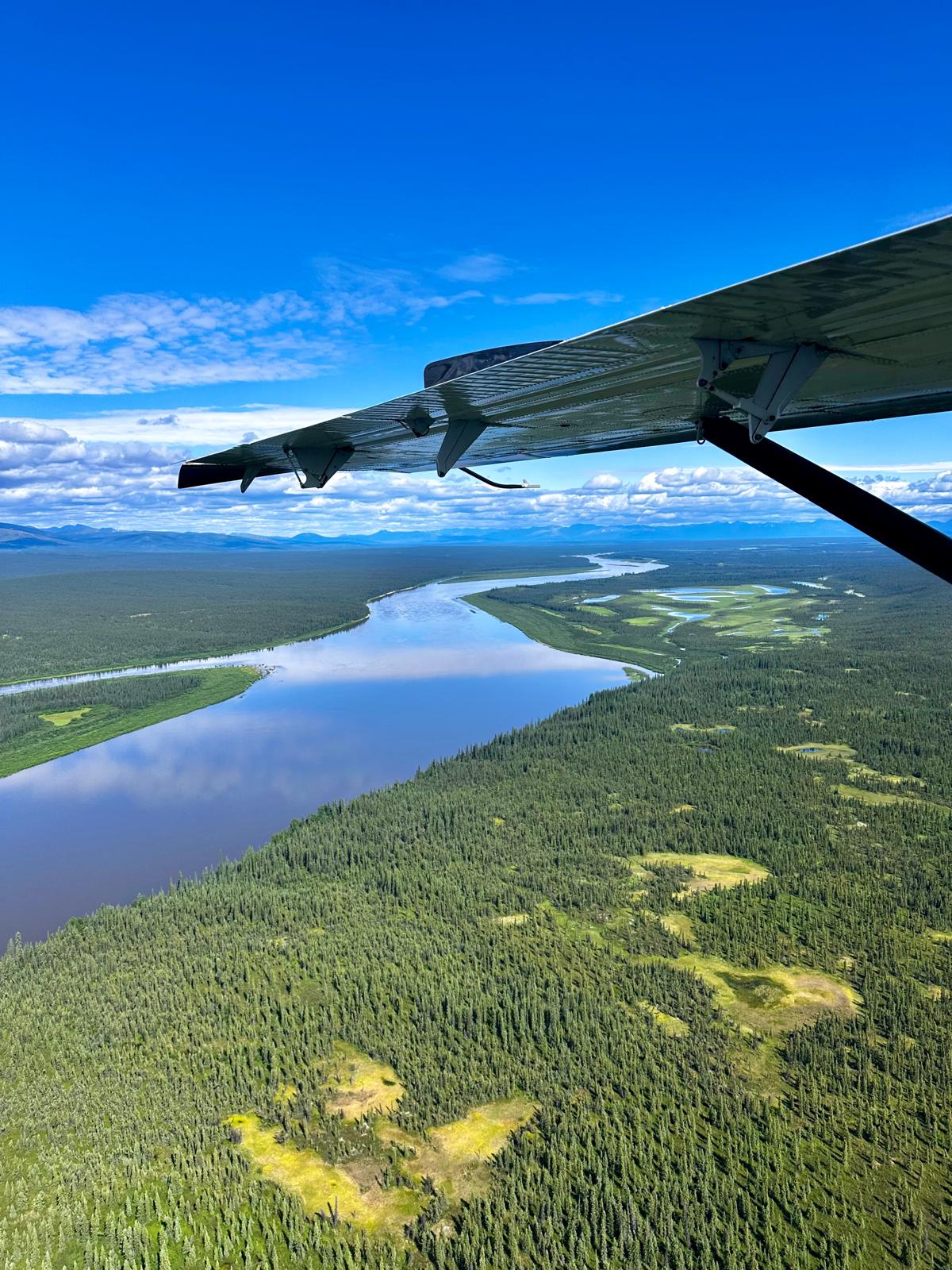
The landscape below a bush plane reads differently than it does from the ground. Patterns that take days to notice on foot appear in seconds from the air.
Tundra becomes a mosaic. Greens, browns, rusts, and yellows spread in patches, each one reflecting what grows there and how wet the ground stays. In August and September, the whole surface shifts to red and gold.
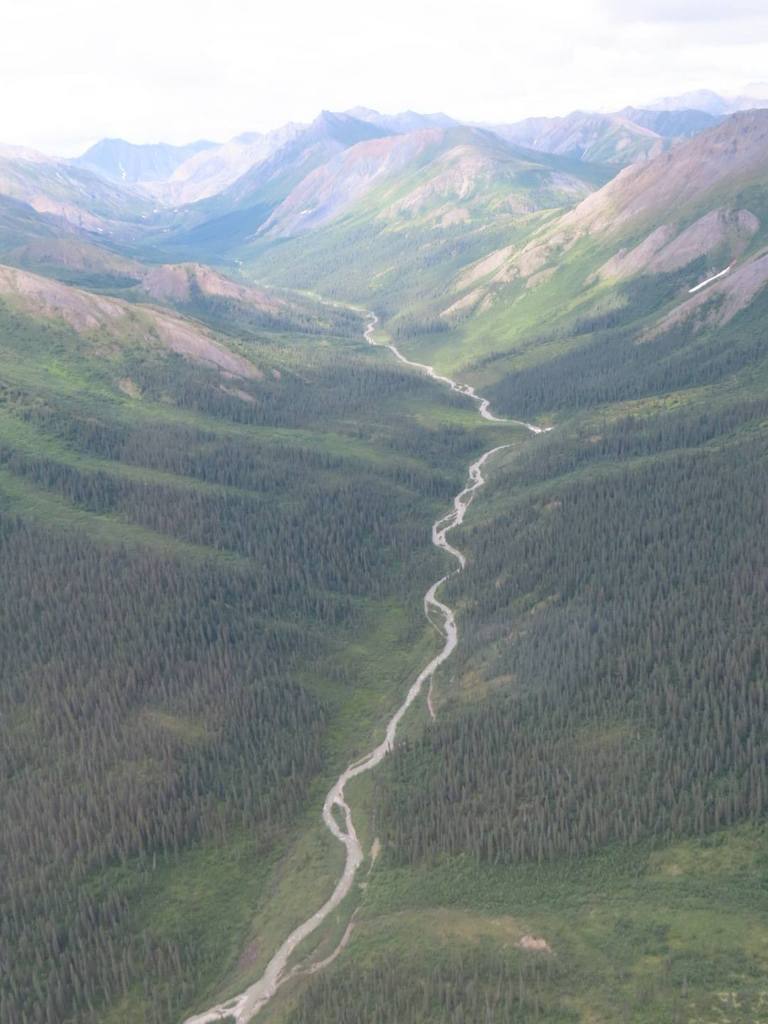
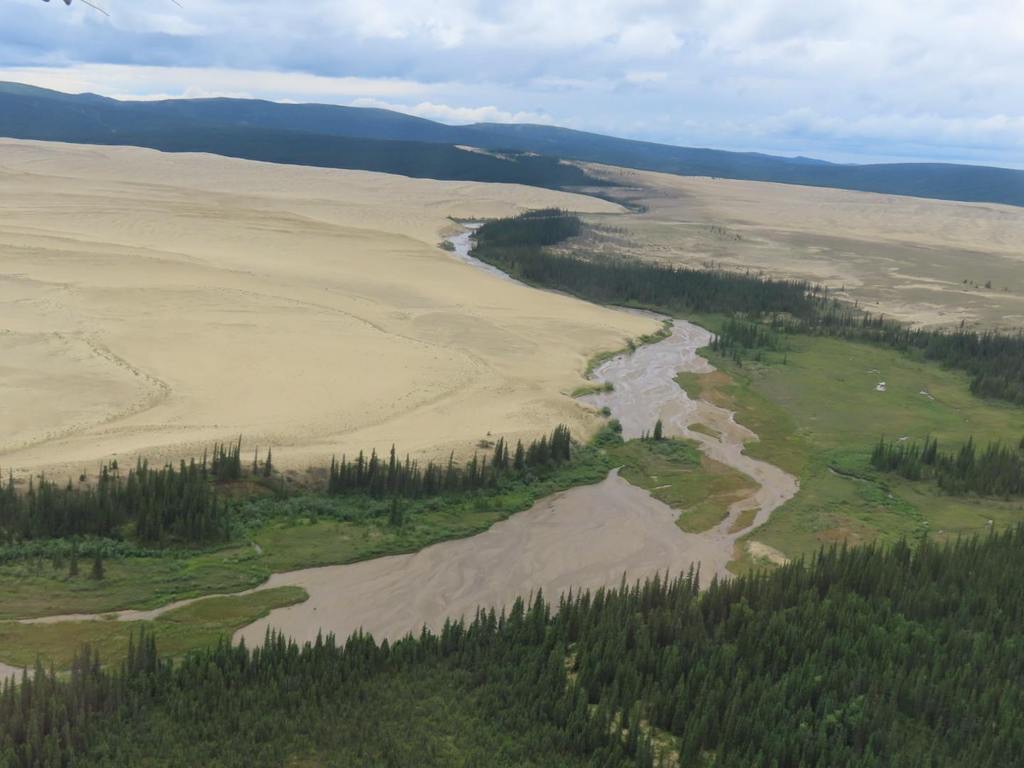
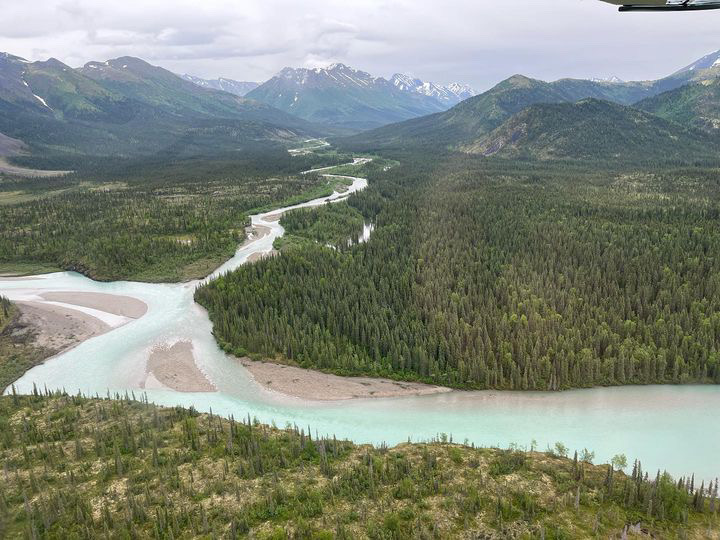
Rivers turn into braids. Channels split, rejoin, and split again across gravel bars. Glacial silt gives most of them a pale, milky color that shifts with the light.
Glaciers read like frozen rivers. From above, you can trace flow lines, see where debris collects, and spot the crevasses that cut across the surface.
Wildlife appears as part of the pattern. A moose in a willow flat. A caribou band crossing tundra. Dall sheep on a cliff band. From the air, animals are not isolated sightings — they are part of how the land works.
How the Seasons Change the View
The same route looks different in June, September, and February. Each season brings its own light, color, and animal activity.
Late spring brings long daylight and the first green flush. Snow lingers in the high country, and rivers run high with meltwater.
Summer delivers maximum daylight and active wildlife. Wildflowers bloom across the tundra, and the light stays usable well into the evening.
Fall turns the landscape red and gold. The air clears, the light sharpens, and animals move more as they prepare for winter.
Winter covers everything in white. Rivers freeze. Passes close in. The landscape becomes a study in shadow and shape. Flying in winter requires ski-equipped aircraft and careful planning. For travelers who want a winter aerial experience, our Alaska backcountry skiing and snowboarding service offers ski-equipped access to remote terrain.
Two Regions, Two Different Worlds
We fly wilderness routes in two distinct parts of the state. Each offers a different kind of wild.
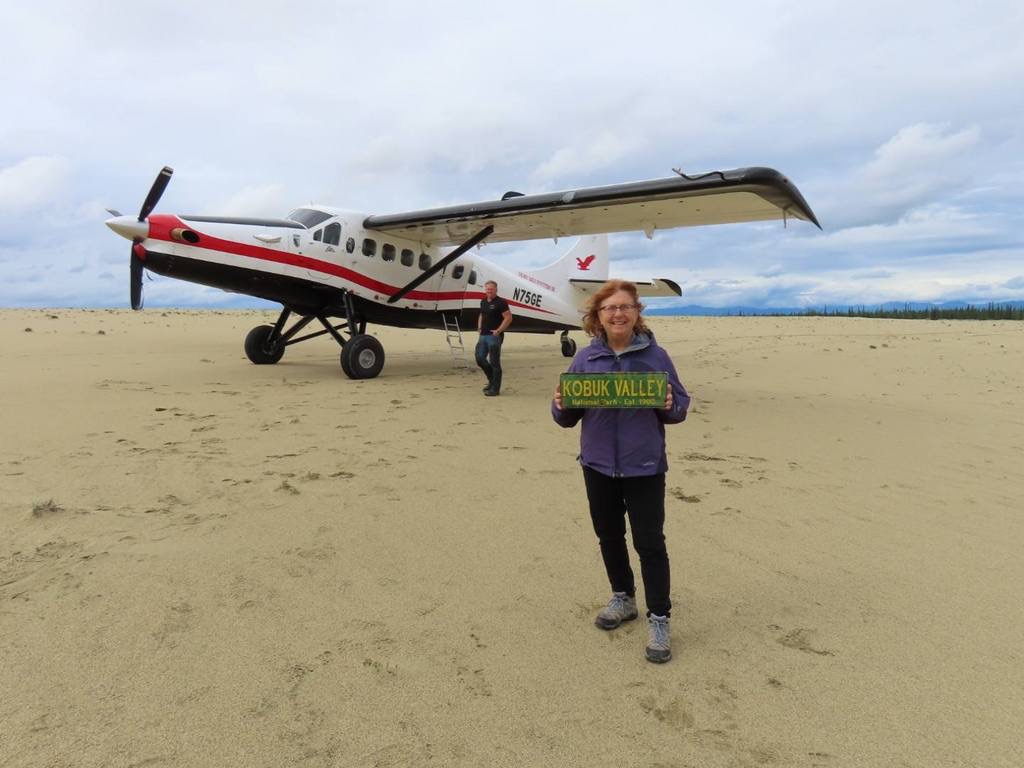
From Kotzebue, the flights head into the remote northwest — the drainages of the western Brooks Range, the coastal wetlands along the Chukchi Sea, and the edges of Gates of the Arctic and Kobuk Valley. This is some of the least-visited country in North America. You can fly for an hour without seeing a road, a structure, or another person.
From Delta Junction, the routes climb into the Alaska Range — the glaciers, peaks, and alpine valleys of the eastern range. This is the country that first drew mountaineers to Denali. From the air, the scale of the range is impossible to miss.
Each route offers a different focus. Some emphasize glaciers. Some emphasize wildlife. Some emphasize the sheer emptiness of the land. We work with you to design a flight that matches your interests. For a route that ends with a glacier landing, see our Alaska glacier tours page. For a wildlife-focused flight, see our Alaska wildlife viewing tours page.
What the Flight Experience Feels Like
The aircraft we use for wilderness flights are small — typically a Cessna 206 or a DeHavilland Otter. The cabins are compact. The windows are large. Every seat has a view.
You will fly lower than a commercial jet — often low enough to pick out individual animals, count the tributaries of a river, or see the surface texture of a glacier. Your pilot will point out landmarks and wildlife as they come into view. Flights typically run between one and two hours, depending on the route.
The feeling of flying over wilderness is different from flying over a city. There is no grid, no traffic, no lights. There is only land — vast, quiet, and unchanged. Some passengers describe it as meditative. Others find it exhilarating. Almost everyone finds it memorable.
Photography From the Air
For photographers, a wilderness flight offers something ground travel cannot match. The light is different at altitude. The scale is different. The perspective is unique.
A few practical notes:
-
Bring a lens that covers wide and telephoto. A 24-70mm handles landscapes. A 70-200mm or longer handles wildlife.
-
Use a fast shutter speed. Aircraft vibrate, so 1/1000 or faster helps freeze motion.
-
Ask about window configuration in advance. Open windows give cleaner shots.
-
Be patient with light. The best conditions often appear when clouds carve shadows across the landscape.
For travelers who want a dedicated photography flight with custom routing, contact us directly. Our Alaska flightseeing tours page covers additional options for photographers. Our Alaska glacier landing tours page covers flights that include time on the ground.
Why Fly Wilderness Routes With Golden Eagle Outfitters
Golden Eagle Outfitters has been flying Alaska’s backcountry for decades. Our pilots know which valleys catch the best light in the afternoon, where caribou tend to move in late summer, and how the glaciers look after a cold snap. That knowledge is what turns a scenic flight into something more.
For custom multi-leg itineraries, our Alaska private air charter and Alaska bush plane charters pages explain how that works. For a broader picture of how Alaska flying operates, see our Alaska bush flights page. For travelers who want to access the same country on the ground, our Alaska wilderness drop-offs and Alaska backcountry air taxi services cover point-to-point access.
Related Services
Along with air taxi services, Golden Eagle Outfitters offers:
-
Alaska Flightseeing Tours — Scenic flights over glaciers, mountains, and wildlife
-
Alaska National Park Tours — Guided flights to five Arctic parks
-
Alaska World-Class Fishing — Fly-in fishing on remote Arctic rivers
-
Remote Wilderness Float Trips — Multi-day river expeditions with air support
Frequently Asked Questions
How long are wilderness flights?
Most flights run between one and two hours, depending on the route and any landings. Custom flights can be arranged for longer durations.
Where do wilderness flights depart from?
We operate wilderness flights from Kotzebue in northwest Alaska and Delta Junction in the Interior. For flights departing from the Fairbanks area, see our Fairbanks flightseeing tours and Denali flightseeing tours pages.
Can I customize the route?
Yes. We work with you to design a route based on your interests. If you want to see glaciers, we route over glaciers. If you want wildlife, we fly areas where animals are active.
Is there a weight limit?
Yes. Every aircraft has weight and balance limits. Tell us your group size and approximate weights when you book.
What should I bring?
A camera, sunglasses, and layers. The aircraft can be cool at altitude. If you are prone to motion sickness, consider taking precautions before the flight.
Can I land during the flight?
Some routes include landings. Others do not. For landing-focused experiences, see our Alaska glacier landing tours and Alaska wilderness drop-offs pages. For flights that end with a drop-off for hiking or camping, see our Alaska hiking drop-off service and Alaska camping drop-off service pages.
Do you fly year-round?
We fly in all seasons, weather permitting. Winter flights require ski-equipped aircraft in some regions.
Can children join a wilderness flight?
Yes, with advance notice. Let us know ages and weights when you book.
Can I combine a wilderness flight with a longer trip?
Yes. Many travelers pair a wilderness flight with a multi-day itinerary. Our remote wilderness float trips combine air access with river travel, and our Alaska National Park Tours cover remote park destinations.