
Alaska Glacier Landing Tours
A glacier landing is the difference between seeing Alaska and touching it. From a plane, a glacier reads as a river of white threading between peaks. On the ground, it becomes something else entirely — a slab of ancient ice with texture, sound, and cold that no photograph fully captures. Very few Alaska travelers ever stand on one. The ones who do tend to remember it for the rest of their lives.
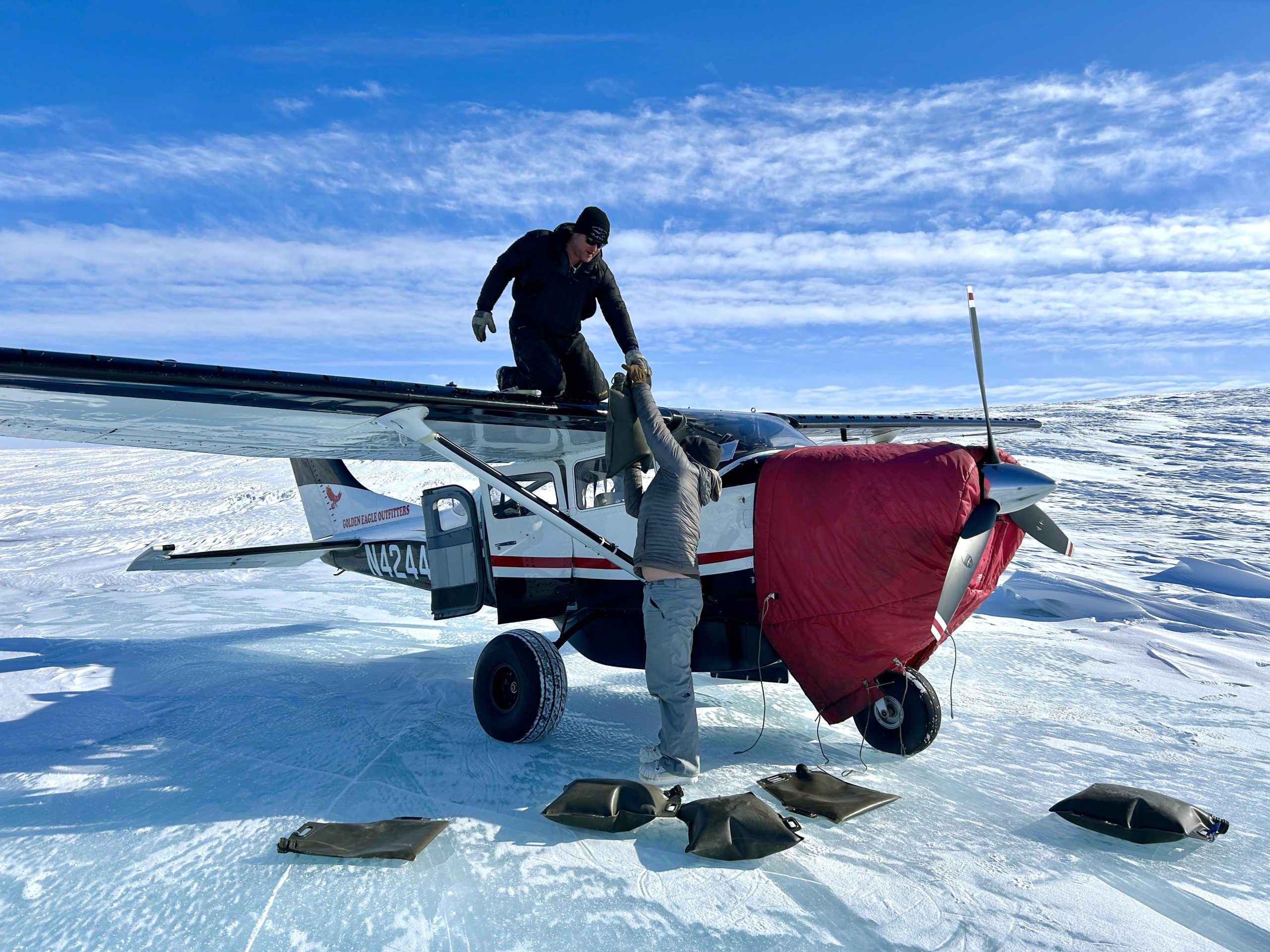
Golden Eagle Outfitters flies glacier landing tours out of Delta Junction. Our destination is a gravel shelf perched at 4,000 feet above the Trident Glacier in the Alaska Range. The flight takes about forty minutes each way. What happens when the wheels touch down is what makes this trip different from every other aerial tour in the state.
The Three Phases of the Trip
Every glacier landing tour moves through the same arc. Understanding each phase helps you know what to expect and how to prepare.
Phase One: The Approach
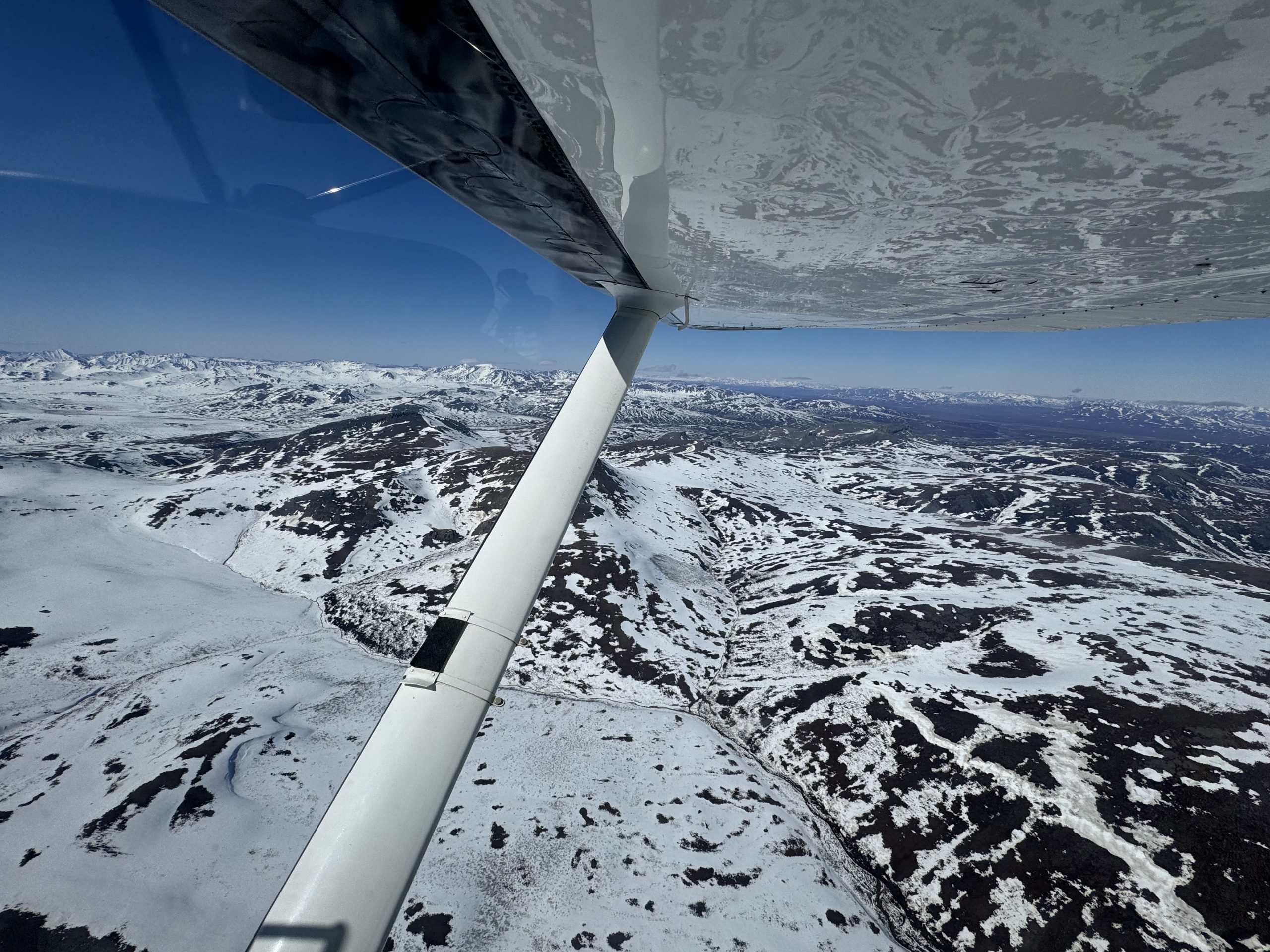
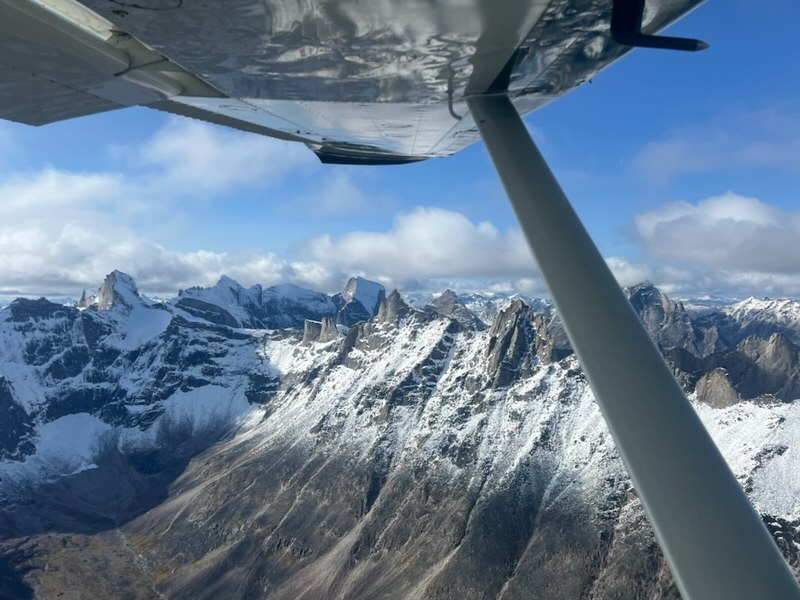
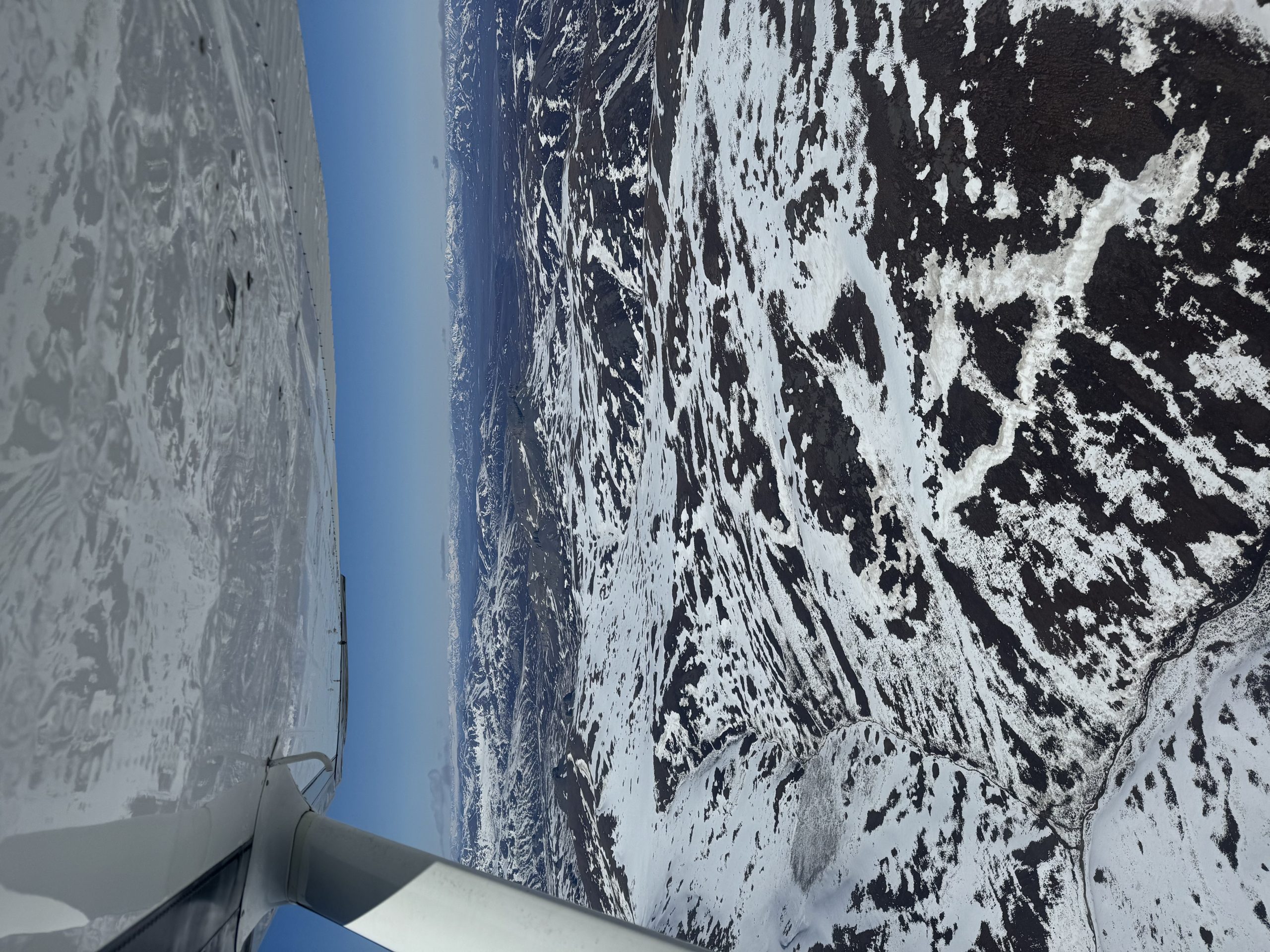
You lift off from Delta Junction and head south into the range. The first leg crosses the Tanana Valley — braided rivers, willow flats, and the last traces of the road system. Then the terrain rises. Mount Hayes and Mount Moffit appear on the horizon, each over 13,000 feet. Depending on the route, you may also pass over the Black Rapids Glacier, a fifty-mile ice stream that has been reshaped by earthquakes and avalanches for centuries.
Phase Two: The Landing
The airstrip is not a runway. It is a kame terrace — a shelf of gravel and glacial debris deposited when the ice pulled back thousands of years ago. There is no pavement, no lighting, no windsock. Just a natural strip that requires the right aircraft and a pilot who has landed there before. The wheels settle. The engine drops to idle. You open the door onto a landscape that has no road, no building, and no sign anyone has ever been there.
Phase Three: Time on the Ice
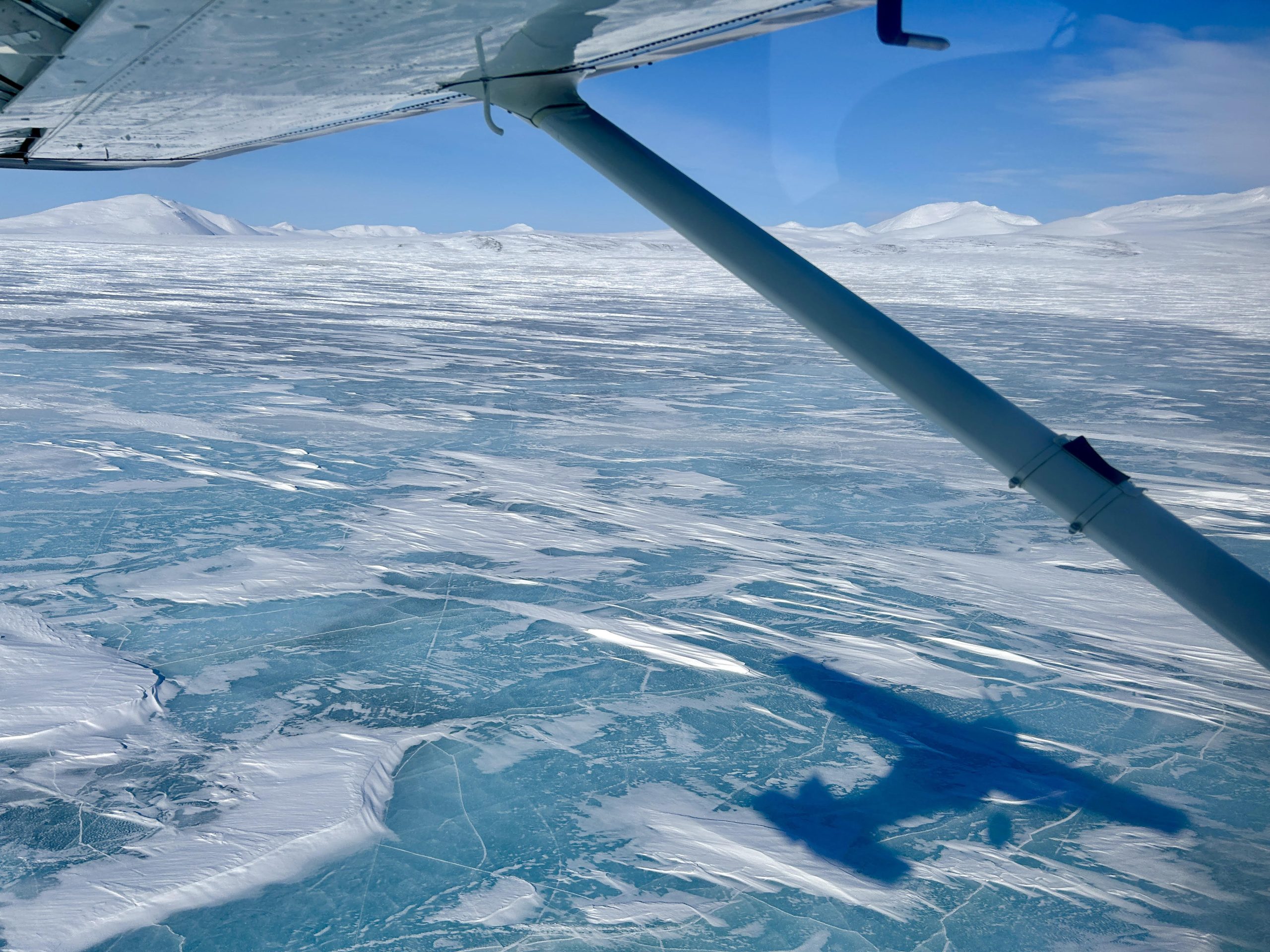
This is the reason you came. You have time to walk, stand still, and take in the surroundings. Short paths from the airstrip lead to overlooks with panoramic views of the glacier and the peaks beyond. A longer walk — about a mile — brings you to the edge of the ice itself. You can see the surface texture, the meltwater channels, and the deep blue that shows through where the glacier has cracked.
What the Ground Experience Feels Like
Standing on the kame terrace is different from flying over it. The scale becomes personal. You notice the cold air moving down the valley. You hear wind across gravel. You see individual rocks that were carried miles by ice and left behind when it melted.
The terrain is uneven. It is gravel, tundra, and glacial moraine — not a walking path. Sturdy boots matter. So does a willingness to slow down and watch your footing. This is not a hike in the traditional sense. It is a walk across land that was shaped by forces most people only read about.
Photographers often find the light here unusual. At 4,000 feet, the atmosphere is thinner and the shadows are sharper. Colors shift through the day as clouds move across the range. For travelers who want to capture the Alaska Range from the air without landing, our Alaska glacier tours and Alaska flightseeing tours offer alternative routes.
Who This Trip Suits — and Who It Does Not
A glacier landing rewards travelers who are comfortable with the unexpected. It suits people who want to stand somewhere few others have stood and who are willing to walk on uneven ground to get there.
It is a strong fit for:
-
Adventurous travelers who want more than a viewpoint experience
-
Photographers looking for landscape images that do not require multi-day trekking
-
Small groups seeking a shared experience away from crowds
-
Travelers with limited time who want to see the Alaska Range up close in a single day
It is a weaker fit for:
-
Travelers who prefer indoor, structured experiences
-
Anyone uncomfortable with small aircraft
-
People with mobility limitations that make uneven terrain difficult
-
Those expecting a groomed trail or interpretive signage
If the landing element is not essential, our Alaska wildlife viewing tours offer an aerial experience focused on animals instead of ice.
What to Wear and Bring
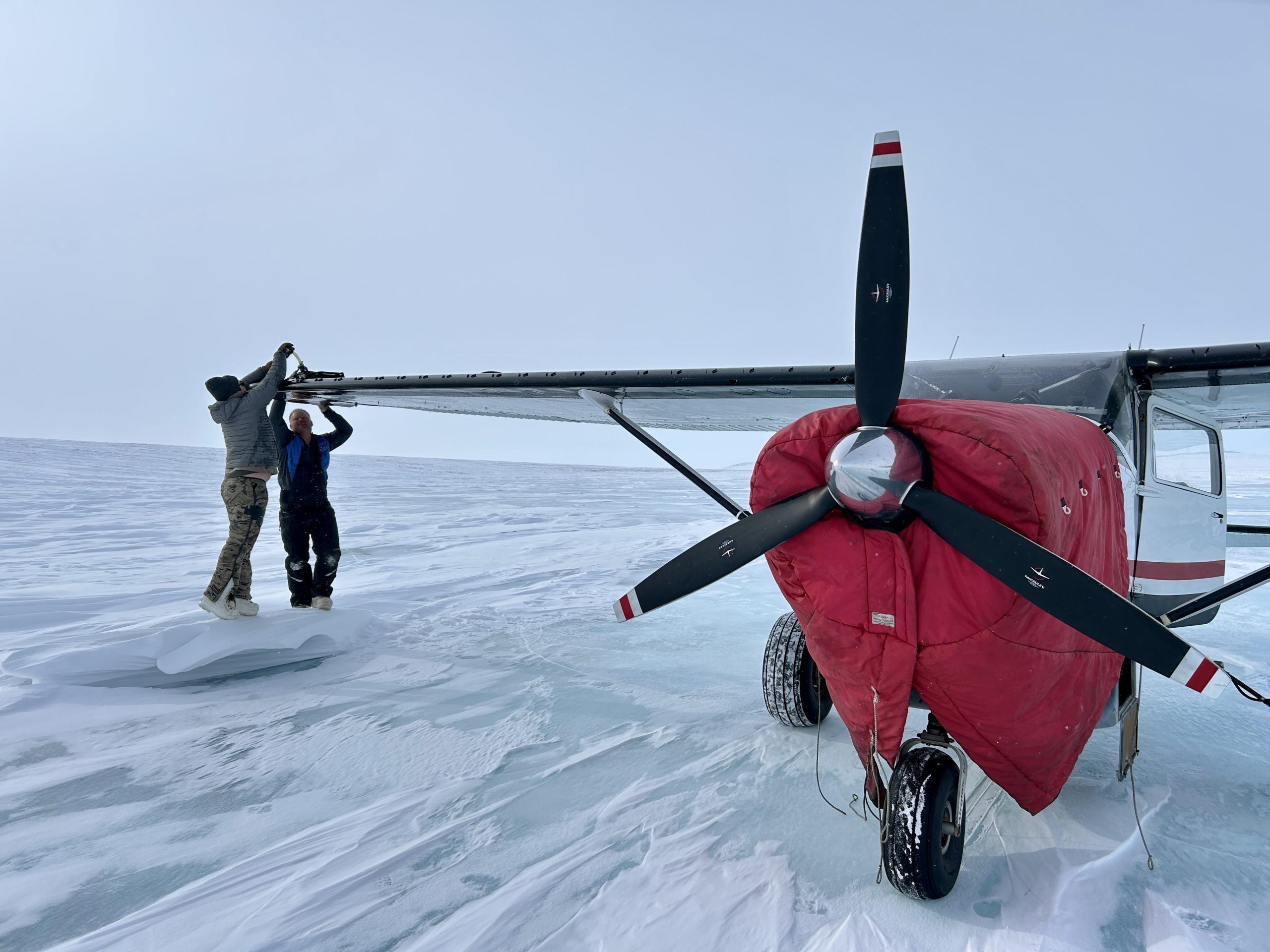
The temperature at 4,000 feet is usually cooler than Delta Junction. Wind adds to the chill. Layers are essential — a base layer, an insulating mid-layer, and a wind-resistant shell. Rain gear is worth packing even on clear days, because Alaska Range weather changes fast.
Footwear matters more than anything else. Hiking boots or sturdy trail shoes with good tread are the right choice. Sneakers work for some people, but the gravel and moraine surface will punish thin soles.
Bring a camera, sunglasses, and sunscreen. Glacial glare is real, even under cloud cover. A small daypack with water and snacks is useful if you plan to walk to the glacier edge. Trekking poles can help on uneven ground.
We do not provide crampons or technical glacier travel equipment. The tour does not involve walking on the glacier surface itself. Technical glacier travel requires a different trip with appropriate gear and experience. Anglers who want to combine a range flight with river access should look at our Fly-In Fishing Alaska page.
Weather and the Landing Decision
The Alaska Range generates its own weather. Clouds can build quickly, and conditions at 4,000 feet may differ from the forecast in Delta Junction. Our pilots make a go or no-go decision based on what they see in the air, not just what the morning forecast predicted.
If a landing is not possible on your scheduled day, we will work with you to reschedule. Buffer days are strongly recommended for anyone whose trip has a hard deadline at the end. If weather rules out a landing entirely, we will discuss alternatives — including an aerial-only flight over the same terrain. Our Alaska bush flights page explains how weather affects operations across the state.
Why Fly This Route With Golden Eagle Outfitters
Golden Eagle Outfitters has flown the Alaska Range for decades, and our pilots know this airstrip the way a farmer knows a field. They can read surface conditions from the air — whether the gravel is firm, whether recent rain has softened it, whether the strip is safe. That level of familiarity is what makes a landing possible in a place with no formal infrastructure.
For travelers who want to extend the trip into the backcountry, our Alaska hiking drop-off service and Alaska camping drop-off service offer access to the same range. For river expeditions, our Alaska rafting drop-off service moves rafts and paddlers into remote put-ins. Travelers departing from Fairbanks can explore our Fairbanks flightseeing tours and Denali flightseeing tours for additional Alaska Range options. And for anyone heading into the Arctic, our Kotzebue air taxi covers the northwest hub.
Frequently Asked Questions
Where does the tour depart from?
Glacier landing tours depart from Delta Junction. The flight to the Trident Glacier landing site takes about forty minutes each way.
How long is the tour?
Total tour time depends on the day and your itinerary. Most trips include flight time in both directions, time on the ground for walking and photography, and the return flight. Contact us to discuss pacing.
How much time do I get on the glacier?
Time on the ground varies. Most tours include enough time for a short hike, photos, and a walk to the glacier overlook. If you want more time, tell us when you book.
Is the terrain difficult?
The ground is uneven — gravel, tundra, and moraine. Anyone comfortable walking on rough surfaces should be fine. Sturdy footwear is required.
Can children join?
Yes, with advance notice. Let us know the ages of any children in your group when you book so we can plan seating and expectations.
What if the weather cancels my landing?
We reschedule when possible. If your travel window is tight, we will discuss alternatives, including a non-landing flight over the same terrain.
Is there a weight limit?
Yes. Every aircraft has weight and balance limits. Tell us your group size and approximate weights when you book so we can match the right aircraft.
Can I combine a glacier landing with other flights?
Yes. Many travelers add a glacier landing to a longer itinerary. Our Alaska National Park Tours cover remote parks in the Arctic, and our Alaska private air charter service handles custom multi-leg trips.
Do you offer other glacier experiences?
The Trident Glacier landing is our primary glacier landing product. Our Alaska glacier tours page covers broader glacier flightseeing, and our Alaska bush plane charters can be arranged for custom glacier itineraries.